Tabharthas was one of the lovely, loamy Irish words I learned from Manchán Magan’s brilliant book, Thirty Two Words for Field. The word has several meanings, including gift, tribute, and bequest. Magan died this week, leaving a gap in the energy field of Irish land-rooted, indigenous spirituality. His loss will echo across the world. His life was a full-blooded tribute to his Irish heritage, lineage, land, and culture.
By coincidence (or perhaps not), I was listening to the new recording from Cormac Begley and Liam O’Connor, titled “Into The Loam.” The phrase ‘drawing from the well’ often comes up in discussions of traditional music, but Begley and O’Connor seem to have found one of those mythical places to play and film some of their new music.
This selection is called Bogadh Faoi Shusa. It struck me that it would make a good lament for Magan’s passing, especially the second part where the melody winds down. He would have appreciated the location, a cave of sorts, half underground and half overground, with nearby running water. He was on the verge of much wider recognition for his culture-changing work. If you have not read, seen, or heard him, seek out his work. A number of his films were made for TG4, Ireland’s Irish-speaking TV channel, and may be found on the TG4 Player.
Eamonn Flynn brought his Dublinesque music hall event to the Back Room in Berkeley on February 1, St Brigid’s Day. I’ve seen this show a few times in recent years, and it’s always lively, entertaining, and ever-changing. Led by Flynn on piano and vocals, the ensemble includes Darcy Noonan from Oakland on fiddle, Hector Bragado from Balboa on banjo, and Felim Egan from Offaly on accordion.
As the name suggests, the show focuses on Dublin songs and stories; every song has a story, and vice versa. The show is built around Flynn’s grooving, tuneful Dublin tribute album from 2022, Anywhere But Home. The city has its share of catchy, light-hearted songs: Molly Malone, Dublin Saunter (Dublin Can Be Heaven), Daffodil Mulligan, and Flynn’s own classic, Strollin’ (Baile Atha Cliath).
But there are darker songs, too. Sack ‘Em Ups is a rhythmic riff on the spooky subject of grave robbers in 19th-century Dublin. May Oblong is a tribute to one of Dublin’s most famous Red Light madames. Weela Weela Wayla, a well-known children’s song popularized by The Dubliners, is a gruesome tale wrapped in an infectious tune.
Another grim story is told in Hunting the Wren, written by Ian Lynch of Lankum. Darcy Noonan set down her fiddle to bravely and boldly take the vocals on this dark, intense song. It commemorates The Wrens of the Curragh, a shameful episode in the history of Irish mistreatment of women. Willie O is a lovely old song that many singers have covered (I recommend Niamh Parson’s version.) Flynn paired it with a Dr John instrumental, Cajun Moon.
He is part of many wide-ranging musical groupings in the Bay Area. He and Egan play with the Black Brothers, who have some Bay Area shows in March. Check his website for upcoming performances in February and March. He has also been part of the Glide Memorial music program for a couple of years and brought some of the Glide Choir as guests for this show. They provided the highlight of the evening with Dennis Hersey singing Danny Boy. It’s an overused piece, but Hersey sang with it with great heart and reverence.
Dennis Hersey of the Glide Memorial choir brought a deep interpretation of Danny Boy
St Brigid seems to have taken on a new agent in recent times. There were three other musical events in the East Bay on her feast day. The second Bank Holiday created by the Irish government to commemorate her occurs this Monday, February 5. Maybe someday, her life will be as widely celebrated as St Patrick’s. Flynn opened the evening by reading a poem attributed to Brigid known as The Lake of Beer. So, could there be a similar amount of sanctioned drinking on her holiday?
If there is a better way to start the New Year than taking in a Christy Moore concert, I don’t know what that could be. He opened a series of performances on January 2, 2024, at Vicar Street in Dublin. The show reaffirmed that he is a force of nature, propelled by his deep dedication to singing and playing. He is still in powerful form and has many more performances lined up for this year.
At one time, he was a bit grumpy about people singing along at his concerts. At this stage, asking people not to sing the choruses to The City of Chicago, Ride On, or Viva La Quinta Brigada is a fool’s errand. This night, he embraced the communion of voices and the convivial vibes. The energies exchanged at his concerts make for spiritual and even transcendent experiences.
He has a rotating set list of favorites from the hundreds of songs in his repertoire. The Voyage, Lisdoonvarna (now with RTE flip-flops!), Welcome to The Cabaret, Barney Rush’s song Nancy Spain, and Joxer Goes to Stuttgart made welcome appearances. Moving versions of the Bobby Sands’ song Back Home in Derry and Black is the Colour made the list. His take-down of political gobbledygook, Lingo Politico, is another favorite. He is trying out a new song with the tart tagline: When it comes to social media, They’re afraid to use their names.
He interspersed some less performed songs like the one he wrote with the late Wally Page about going to Bob Dylan shows. Lyra, his tribute to the slain Northern Irish writer Lyra McKee, was well received. Barrowland, a song for his favorite Glasgow ballroom, another Page collaboration, popped into the setlist in response to a “noble call” from the floor. Another shout-out prompted the Shane McGowan masterpiece, A Pair of Brown Eyes. A quick chorus of I’ll Tell Me Ma could have been a memento mention for Sinead O’Connor, and if he had launched into “How can I protect you, in this Crazy World” for Christy Dignam we’d have been right there with him.
My evening highlight was his tender rendering of Beeswing, Richard Thompson’s novella of love, loss, and longing. An impressionist song filled with painterly lines: She was a rare thing, fine as a beeswing; Even a gypsy caravan was too much like settling down; and, You might be lord of half the world, You’ll not own me as well. The late Frank Harte proposed this song to Christy, a man who shared his forensic understanding of songs and singing. Moore has said, “It chills me to sing this, makes me happy and sad.”
Those contrasting emotions come in waves at Christy’s shows and never more so in the intimate space at Vicar Street. The modern Moore’s Melodies are memorable, feisty, and evocative songs that inspire and motivate. He has been the beating heart of contemporary Irish folk music since the 1960s. Indeed, seeing him sing in the Liberties brought back happy memories of the first time I saw him play a solo gig in St Catherine’s Church of Ireland up the street at The Liberties Festival in the early 1970s. If memory serves me right, a young Barry Moore before his Luka Bloom incarnation was on the bill that night.
I reviewed his remarkable book, One Voice, My Life in Song, in The Irish Herald, San Francisco, in December 2000 and said this about his status as a living legend:
“.. he is the best kind of legend -one who is still alive and picketing, and singing, writing, doing whatever is necessary to live a full and moral life.”
Today, his music continues to comfort the have-nots and confront the have-yachts.
New CD and DVD
A new CD and DVD called Christy Moore: The Early Years 1969 – 1981 was recently released. Christy’s website has a lovely introduction to the project with his son, Andy, interviewing him and singing along on the Dun Laoghaire pier, a “plein air” performance.
England’s Lucy Bronze is consoled by Spain’s Ona Batlle after the Women’s World Cup final. Photograph: Stephanie Meek/CameraSport via Getty Images
Spain’s victory over England in the Women’s World Cup final was about much more than football. The Spanish women were beautifully ruthless over the ninety-plus minutes. They kept England constantly off balance and frustrated their every attempt to acquire momentum. Twenty days earlier in Wellington, New Zealand, I watched Spain endure their biggest humiliation of the tournament, a 4-0 defeat by Japan. Their pride was stung by the elegant effectiveness of Japan’s press that denied space and time to their best players.
They took on board the hard lessons (suffering was a term many of them used) and grew into a solidified team that would not be denied. The Spanish players had multiple reasons, personal and collective, for winning the final. The sting of the loss to Japan; anger at the inept response of the Spanish Football Federation to a player protest in 2022, and the absence of key players who were frozen out after that protest. The sum total of those motivations always exceeded the English commitment. That old commentary cliche, They wanted it more, applied.
This is a Spanish movie that we have seen before. (Maybe Pedro Almodovar is looking for another script with a group of heroic women?) The backbone of this team are Barcelona players, the current European Champions. They had a variation on the Spanish midfield regulators from the men’s dominant era. You could think of Aitana Bonmati as a Xavi stand-in and Hermoso as a tall Andres Iniesta. The pair controlled the midfield action, creatively improving their performances against Switzerland, Holland, and Sweden. Hermoso has an uncanny facility for short passing that ensures possession and prises open threatening spaces for colleagues.
Spain emulated the Japanese-style press to unsettle England in every section of the field, with one player challenging for the ball while two others cut off the passing options. England’s two Barcelona players, Keira Walsh and Lucy Bronze, had a less happy evening in Sydney. Bronze went walkabout in the packed Spanish midfield, lost the ball, and in a flash, the play was switched to where she should have been. Russo was slow to cover and Carmona raced up to take a Caldentey pass and strike with deadly precision. Spain had been having a lot of success attacking up the left flank, and it finally paid off.
England contributed greatly to the contest. They rolled the tactical dice at halftime, bringing in Lauren James and Chloe Kelly and later pushing Millie Bright up to center forward. Mary Earps saved a penalty after some Bronze gamesmanship rattled Hermoso. It was all to no avail. Spain was not for shifting.
The photos in The Guardian article by Jonathan Liew and the one I used at the top of the blog are iconic and symbolic. The women’s game embodies levels of respect and compassion that are harder to find in men’s international football. For women players, the road to international representation is littered with stones, rocks, blocks, and (sometimes) kisses from the patriarchy. The fine line between victory and defeat may be more permeable for women. And, as noted by Liew, the top women have supportive friendships, alliances, and even rivalries that develop at their clubs.
My Petaluma correspondent, Charles Little, had this revelation after the U.S. exited the tournament. Currently, only one U.S. player, Lindsay Horan, plays for a top European club, Lyon. Maybe, Charlie said, the National Women’s Soccer League is no longer the best high-level, competitive league. The European leagues are the source of the best women’s football now. Three of the four semi-finalists were European, and Australia, the other semifinalist, has the majority of their players earning their living at European clubs.
The NWSL is still an invaluable proving ground for players from outside the U.S. with international aspirations. Ireland, for example, benefitted from the NWSL experience of Denise O’Sullivan, Sinead Farrelly, Kyra Carusa, and Marissa Sheva. How will the U.S. Women’s team be rebuilt, and how long will it take? It’s hard to imagine the program will not bounce back strongly, but the rest of the world has caught up fast. Spain, England, and other nations will not give up their leading roles easily.
This is my second World Cup post and the last before leaving for Auckland later this week. I will be posting football news and views, impressions of New Zealand, photos, and whatever else takes my fancy in the build-up to the opening games on July 20. Stay tuned.
Sinead Farrelly and Vera Pauw
Sinead Farrelly -Overcoming Injury Time
Sinead Farrelly’s road to representing Ireland in the World Cup was more rocky than most. She had not played professionally for seven years, a lifetime for a professional footballer, more than the career of many players. Farrelly’s long break was prompted initially by the abusive actions of one man, a coach named Paul Riley. She represented the United States at every level up to Under-23 until his harassment forced her out of the game in despair. In 2021, she went public with her allegations about Riley which in turn sparked an investigation into abusive behavior by coaches in the US women’s league. Riley was banned for life from any involvement in U.S. soccer in January of this year.
Then, to compound her suffering, she was injured in a car accident and required years of treatment for concussion and whiplash. She only returned to play professionally this year, signing for Gotham FC in the NWSL and making a solid debut for Ireland in a friendly game against the U.S. Farrelly qualifies to play for Ireland through her Cavan-born father. Irish coach, Vera Pauw, encouraged Farrelly to resume playing and picked her for the Irish squad.“We were waiting on a player like Sinead,” said Pauw after her debut when she showed what a composed and skilled midfielder she is. There is more detail in this Irish Times story on Farrelly’s brave choices for herself and for women’s football.
Pauw herself has become collateral damage in the fallout from the NWSL investigation into abuse and misconduct by coaches. She was the manager of the Houston Dash for one season in 2018. Some players and staff at the club have accused her (anonymously) of belittling players and being overly controlling. Her situation is complicated and fraught, and I have included a link for those who have not followed the story. She has the support of the Football Association of Ireland (FAI) and the team, but it must be an unwelcome distraction for Ireland’s preparation for the competition.
The Irish women got a reality check last week when they played France in a friendly before the World Cup. The team looked solid for 45 minutes, giving the French a scare but lapses in concentration presented two goals to France in added time before halftime. One goal was a gift, the other was well taken by the deadly Eugenie Le Sommer. A third goal from a corner on the hour was even more of a gift. Ireland hung on doggedly but heads were down long before the game ended. Captain Katie McCabe was injured and replaced at 30 minutes. Her combative presence was missed and France took full advantage of her absence. There were bright spots. Sinead Farrelly brought crafty skills and guile in the midfield. Denise O’Sullivan was energetic and influential throughout. Kyra Carusa led the line impressively, earning the MVP award, no mean feat when you are being marked by Wendie Renard.
Marta, Brazil’s football Queen
Brazil’s enduring and exceptional star, Marta Vieira da Silva, makes her sixth World Cup appearance, her last outing at the highest level. (She shares this honor with Canada’s evergreen Christine Sinclair.) Marta has been a shining and assiduous presence for over twenty years in international football. She is not likely to start for Brazil as she recovers from a knee injury (on her magical left leg), but her inspiration is vital to her country’s hopes. “Marta is the queen, the icon, and just to be around her is contagious,” Pia Sundhage told reporters as she announced the Brazilian squad. Marta has won six FIFA World Player of the Year awards, more than any other player.
I asked my 11-year-old granddaughter, Olivia, to watch this short film on Marta’s career:
Coming from a difficult past, Marta managed to put it behind her and start her dream of becoming a football player. I’m glad she made it into the squad of Brazil’s women for the World Cup. She is an amazing player with so much passion and courage.
Getting the balance right
One of the challenges faced by World Cup teams is how to strike a good balance between experience and freshness. Players who starred previously in the competition (four years earlier) may have lost form or enthusiasm or be missing entirely due to injury. New, often younger players may be overawed, overeager, outclassed, or not sure of their role in the team. Chemistry and camaraderie are essential qualities to which everyone must contribute. This can be especially vexing for teams that are expected to do well, like the United States, England, France, Germany, and Spain, all of whom will be hoping that new players settle quickly into the team culture.
The U.S. farewell game against Wales this weekend was a case in point. Seven of the starting team are heading for their first World Cup, and it showed. The wise heads kept the team bonded: Crystal Dunn, Lindsay Horan, Alex Morgan, and later Lynn Williams. The wise ones on the bench, Rose Lavelle, Megan Rapinoe, and Julie Ertz, were sorely missed. The newcomers played well but the blend was off for large parts of the game. Passing was erratic and slow, and chances in the final third were scarce. Until star-in-waiting Trinity Rodman, who replaced Morgan at halftime, took hold of the game with two well-finished goals late in the second half.
Rapinoe announced her retirement from club and country this year. She has already transitioned to a hybrid role with the U.S. as a part-time player and full-time motivator and leader off the field. She has forthright views on the larger significance of this, the ninth Women’s World Cup and the first to include 32 teams.
“It is actually terrible business if you are not tuning in. You are missing out on a large cultural moment. I think we know that bottom line, equality is actually good for business, that is something special that the women’s game has and this is the premier women’s sporting event in the world, bar none, and this is a paradigm shift globally, not just in the U.S.”
New music from Martin Hayes is always worth the wait. He is primarily a live performer but his recordings are unique, accomplished, and accessible. Peggy’s Dream is a graceful and adventurous album, building afresh on his other ensembles: The Gloaming, The Blue Room Quartet, Brooklyn Rider, and his long, profound partnership with the late Dennis Cahill. The album is dedicated to and inspired by Cahill and Hayes’ mother, Peggy.
Hayes brings a high degree of artistic, intellectual, and cultural credibility to Irish music, universally defined. He takes traditional music to the most prestigious arenas where it meets many other music genres as an equal and a willing partner. He has expanded and enriched Ireland’s cultural capital as a musician himself and as a facilitator of imaginative combinations. His partners on this new album are luminaries in their own right, selected for their musicianship and mutuality.
Cellist Kate Ellis is a prolific performer and musical leader. She is the artistic director of Ireland’s leading contemporary music group, Crash Ensemble. Her folk and traditional interests are well established, having played and recorded with Iarla Ó Lionáird, Gavin Friday, and Karan Casey. Guitarist Kyle Sanna has worked with Seamus Egan and Dana Lyn. Cormac McCarthy is a pianist, composer, arranger, and conductor from Cork. He is primarily a jazz and contemporary music artist with an album/band called Cottage Evolution. Brian Donnellan is the most mainstream traditional member of the group playing bouzouki, concertina and harmonium. Like Hayes, he is from an East Clare family and is a member of the legendary Tulla Céilí Band.
I have long thought that there is a case for the cello in the Irish tradition. The seminal Hidden Ground recording in 1980 from Paddy Glackin and the late Jolyon Jackson was a major influence on my thinking in this respect. I described it previously as the most artful deconstruction of Irish traditional music up to that point. Jackson played cello and a multitude of other instruments on the album, and his playing was also featured on The Chieftains Boil the Breakfast Early the previous year. More recently, Iarla Ó Lionáird’s thrilling and brilliant 2011 album, Foxlight, had two cello players, a viola, and Caoimhín Ó Raghallaigh! It sets a new bar for the integration of cello into traditional arrangements. It could well be an inspiration for Peggy’s Dream and this grouping. The hidden ground is now part of the commons.
The cello brings other dimensions and flow to the slower, more contemplative tunes. The Boyne Water opens with a jaunty melody from the fiddle and piano, then darkens with the cello’s arrival and a set of low, deep chords on the piano. Cá Bhfuil An Solas is a Peadar Ó Riada composition first recorded on the Triúr Arís (Three Again) album. The piano lays down a lively backing. Garrett Barry’s Jig has a moody, dissonant start with somber cello and harmonium throughout. It’s a mesmerizing piece with a perfect tonal balance of low and high. The Glen of Aherlow was written by Tipperary fiddler the late Seán Ryan, a prolific composer. Here it gets the “high lonesome” treatment from Hayes with a tight bit of ensemble playing, Sanna channeling Dennis Cahill on guitar. The piano and cello colorations are delightful. Aisling Gheal is a “goltrai” (an old Irish term for a lament) classic where the fiddle gets pride of place with empathetic piano.
The title track, Peggy’s Dream, was sourced by Steve Cooney from the Goodman Collection, like the Fainne Geal An Lae track on Foxlight. Plucked strings (is it piano or cello?) give a percussive base to the tune that is picked up by the concertina and fiddle. Like a few other tracks, this has a gentle, fade-out ending, perhaps dictated by the limitations of making a record. Live performances of these tunes may be very different.
The more up-tempo tracks contain the bones of Hayes’ trademark long sets. Toss The Feathers/The Magerabaun Reel opens with fiddle and guitar before McCarthy embarks on a jazzy piano section with shades of The Gloaming and Thomas Bartlett. Hayes soars to a big flourishing finish spurred on by the company. Johnny Cope, an old hornpipe I first heard on a Planxty album, is paired with the vivacious Hughie Travers’ Reel. The Longford Tinker has the rhythm of a joyful train journey.
Hayes worked with McCarthy and Donnellan on a gorgeous EP recording, Live at the NCH 2020. Like any creative person, Hayes does not like to repeat himself. Even with tunes he’s played hundreds of times, he is always looking for another angle, a deeper emotional realm to explore. In his musical memoir, Shared Notes, Hayes describes it like this:
I must go to the space that I want others to enter, go as deep as possible and trust that the invitation is powerful enough for others to come along.
Some of Hayes’ favorite melodies get beautifully reconsidered on this album: Lucy Farr’s Barndance and, one of my all-time favorites, The Wind Swept Hill of Tulla.
Hayes is a vivid expression of the history of Irish music, a procession of musicians, composers, and listeners that stretches back many hundreds of years. His playing was so rooted in the best of the past that, in his early years, older musicians called him a ghost. Martin Hayes’ ensembles seem to be almost covenants. They are a set of intentional relationships intended to advance the tradition and enhance the Irish musical legacy. The Common Ground Ensemble enriches the musical identity of high-level players like Ellis, Sanna, McCarthy, and Donnellan. This is a beautiful recording brimming with inventiveness, intelligence, and integrity.
Sources, Resources, and links to the artists:
The next opportunity to see Hayes perform with some of his many musical partners will be August 23-27, 2023, at the West Cork Music venue in Bantry.
Mrs. Elizabeth Crotty must have been dancing with delight in the afterlife. The legendary concertina player would be astounded that one man playing that iconic instrument could fill a large hall and be so rapturously received. It was a memorable concert in Dublin’s most eclectic venue with excellent sound quality and a deeply appreciative audience. The opening performer, singer-songwriter Niamh Regan from Galway, set the stage beautifully.
Begley began by strapping on wrist supports for each hand. His playing of the larger bass concertina requires strong and forceful actions. The instrument is extremely versatile, with built-in plaintive tones for slow airs and laments and powerful, percussive sounds (enhanced by rods attached to one of the concertinas) for marches, polkas, and slides. He brought a collection of instruments: bass, baritone, anglo, piccolo, and a baby concertina. And took the time to educate us about the origins of the instrument with short demonstrations on the “Jew’s Harp” and the harmonica, precursors of the concertina.
The range of ethereal tonalities and deep sighs he draws from the “breathing” box is extraordinary. I hear echoes of Doug Weiselman’s bass clarinet on Martin Hayes’ The Blue Room Album or, from an earlier era, Steve Cooney’s didgeridoo playing on the album, Meitheal, with Begley’s late uncle Séamus. The late Tony Mac Mahon is another clearly audible influence, and Begley played a set he put together for Tony’s 80th birthday concert.
Begley is a beguiling and brilliant figure among younger traditional players. From a famous West Kerry musical family, he has blazed a unique path playing solo and in various fruitful combinations with musicians such as Caoimhín O Raghallaigh, Martin Hayes, Liam Ó Maonlaí, Liam O Connor, Lankum and Lisa O Neill. Ye Vagabonds are frequent partners, and Brían Mac Gloinn from the duo was a guest at this concert, singing and playing mandolin. Begley first came up on my radar in a Myles O’Reilly film where he sits beside the Shannon playing the bass concertina. The sound was loud and loamy, like uilleann pipes from another dimension.
During his wry and funny interstitial comments, Begley noted that Kerry people don’t come to Dublin to take part: they come to take over. Which he did, as storyteller Eamon Kelly used to say, with a group of West Kerry set dancers, two cousins on accordions and concertinas, and Stephanie Keane, a loose-limbed traditional dancer from Limerick. His mother was in the audience too but with his vigorous, virtuoso playing gave her no opportunity to use any of the cryptic put-downs he ascribed to her on the night.
The concert was the musical highlight of my Spring visit to Ireland. I went with my son, Bryan, who heard plenty of Irish music growing up in our family, but Begley upended his perceptions of traditional music. He was deeply impressed. “I was blown away by his interaction with the crowd and the enormous energy it took to captivate the audience with the squeezing of a small musical box. A powerful performance of incredible music by one of Ireland’s future greats.”
Additional Resources on Cormac Begley and other concertina players
Myles O’Reilly’s film, Backwards to go Forwards, was the one that introduced me to Cormac Begley and other cutting-edge Irish artists. There’s more of him on YouTube
A (very) partial list of concertina players and recordings:
There are a number of women concertina players who continue the Mrs. Crotty line. Mary McNamara is a concertina master from the Clare tradition. Caitlín Nic Gabhann and Edel Fox are two well-known musicians who feature in The Irish Concertina Ensemble alongside Mícheál Ó Raghallaigh, Pádraig Rynne, and Tim Collins.
Noel Hill was the trailblazer who drew from a rich Clare traditional background but expanded it exponentially. He is a noted concertina teacher who gives classes in the United States.
Niall Vallely has been one of my favorite concertina players for years. He composes a lot of his own music, and his playing has a “blues harp” and jazz feel to it. His three albums are Buille and Buille 2 and, the most recent, BuilleBeo.
I know there are many musical and artistic events going on during the American Irish version of March Madness in and around St Patrick’s Day. But let me recommend one event that does not require you to leave the house: the documentary film Dennis Cahill: Litir ó Do Chara currently playing on the TG4 player. It is a poignant tribute to the late master guitarist drawn from the letter Martin Hayes addressed to his long-time musical soulmate.
Director Donal O’Conner, himself a fine fiddle player, chose to have other Irish musicians speak admiringly about the guitar player: concertina player, Cormac Begley; singers, Iarla O’Lionaird and Niamh Parsons; fiddlers, Liz Carroll and Caoimhin O’Raghallaigh; accordion player Jimmy Keane; and a posse of guitarists, Seamie O’Dowd, John Doyle and Steve Cooney.
Consequently, not much is heard from Cahill or his playing but his enduring influence is pervasive. The short film features some delightful performances but the guitarists take pride of place. Here’s their symbiotic playing of the O’Carolan melody Sí Bheag Sí Mhór.
And, if that was too beautiful and slow for you, here’s the trio with a gorgeous powerhouse performance of the Bearhaven Lasses & The Morning Dew that did not make it into the film. Thanks to Michael Black for bringing it to my attention with a Facebook post.
The Quiet Man of Irish Music has left the Stage, my own tribute to Dennis Cahill, was offered last year soon after his death. This old blog of mine owes its origin to my attraction to and curiosity about the musical journey of Martin Hayes and Dennis Cahill. The first posting back in 2008 was Hayes and Cahill: Recalibrating the Tradition. Enlightenment about playing the music was guaranteed whenever you talked to them. I described Cahill’s accompaniment as taking minimalism to new heights on this album:
His playing becomes a sub-sonic shadow to Hayes’ fiddle on Mulqueen’s. It’s an amazing musical symbiosis. In their collaboration, it often seems like Cahill has the map in his head but Hayes knows the roads and backroads and the negotiated journey is always worthwhile and wondrous.
The Journal of Music published a perceptive review of the film,Every Note To Be Magical. One combination graced by Hayes and Cahill, the Blue Room Quartet, does not get much of a mention in the film. Hayes has said elsewhere that many of the arrangements on The Blue Room album came from Cahill. Myles O’Reilly’s film captures the process of making that amazing albumillustrating many subtle but essential contributions from Dennis Cahill.
The film is available now on the streaming channel ofIrish-speaking television network, TG4. This link will work only if you have downloaded the free TG4 Player.
The field in Moville where the Kennedy Cup was played
For fans of Donegal, football, and quirky stories that had almost slipped away, Secret Superstars: The Hidden History of the Kennedy Cup is a real treat. A summer tournament that was played in Moville, Co Donegal featured teams that combined junior (non-professional) players and big-name players from clubs in Scotland, England, Northern Ireland, and the Republic. The catch was that the professionals were not supposed to play during the summer months but they found various ways to play incognito. The Cup was played from the mid-1950s up to the start of “The Troubles” in 1970.
A labor of love produced and directed by Tom O’Flaherty, the film explores how some of the best professional footballers of the 1950s and 1960s came to the picturesque little shoreside pitch in Moville to play in the Kennedy Cup. The prize money of two thousand pounds sterling was the big draw but the camaraderie and hospitality of the town were equally attractive. This was long before professional soccer players were paid daft sums of money for signing or transferring from club to club. The local volunteers fund-raised year round to get that prize money, almost 60,000 pounds in today’s money.
O’Flaherty found some fine eye-witnesses to interview. Paddy Crerand, of Scotland and Manchester United, was more of an ear-witness (he never played in that Cup) but he heard the unlikely stories and fills in some of his own footballing history. Johnny “Jobby” Crossan from Derry was someone who did feature in the Cup throughout his extensive professional career with clubs in England, Northern Ireland, Holland, and Belgium.
The archival football footage is remarkable and three of the men who filmed get mentioned in the credits. And there are classic scenes from the famous European Cup finals of 1967 and 1968 won by Glasgow Celtic and Manchester United. Celtic’s wing wizard, Jimmy Johnstone, did play in the Kennedy Cup but watch him dancing by defenders in the European highlights. Donegal produced two legendary Irish football goalkeepers, Packie Bonner, and Shay Given, but this film includes a surprising revelation about the great Irish actor, Ray McAnally, who grew up in Moville.
I can testify that Moville is and was passionate about football and Glasgow Celtic in particular. I stayed one night in Moville during a driving holiday in the late 1990s through Antrim, Derry, and Donegal with my son, sister, and brother-in-law. We went to a small pub for dinner and were ushered into a side room with a cosy fire. Over the fire, where many houses would have had a Sacred Heart picture, there was a large painting of Henrik Larsson, the Swedish international star who was then playing and scoring goals for fun at Celtic. The picture of him with his glorious dreadlocks dominated the room. The film was screened at theSan Francisco Irish Doc Fest on Saturday, March 4, along with some other intriguing films: Violet Gibson: The Irish Woman Who Shot Mussolini; North Circular; and, The Man With The Moving House, Brendan Begley’s saga about getting permission to build on his ancestral land near Dingle.
Morocco player Sofiane Boufal dancing with his mother
Watching the games of the 2023 World Cup in Qatar was, in equal measure, uncomfortable and compelling. How do we assess the moral balance sheet of this tournament? Is the notion of morality even applicable with FIFA? Can moments of footballing loveliness ever be considered more valuable than the lives lost, the obscene spending on transitory stadiums, and the astounding, continuing carbon footprint? But the football and Messi were exciting, often beautiful and highly competitive. It was a humbling experience for some of the big football nations: take your pick from Germany, Holland, Spain, Belgium, Brazil, Portugal or England.
Morocco were the feel-good story of the tournament and the images of Moroccan players dancing with their mothers are unforgettable. But there were many admirable teams who played their hearts out. Neutral fans like myself found it hard to pick a side in the third-place game where Croatia’s compact, creative midfield finally ended Morocco’s dream. Then, there was the speedy, purposeful football from Japan; the valiant South Koreans, and the rugged play of Australia and Switzerland.
Messi showed up with his magic feet and a renewed commitment to winning. I have written about him glowingly before and his influence on the time-space continuum. And more critically, the team around him were deeply invested in giving him a fitting farewell to his international career. Argentina’s victory was like the second coming of Diego Maradona who brought the Cup home in 1986. Messi is a more complete player but less charismatic person than Maradona, as my former East Bay United teammate and Argentinian, Andy Connell notes.
Maybe lifting the World Cup will correct that charisma deficit. Messi has always been easy to admire and love, unlike Ronaldo, who is an equally graceful player, but rarely gracious. Teammates seldom wax eloquent about Ronaldo but nobody has a bad word to say about Messi. Ronaldo’s egotism often got the better of him in team dynamics. He seemed to spend more time sulking on the sideline than playing in this competition, an inelegant finale to his international career.
It was not a happy tournament for those who fixate on star individual players like Neymar, De Bruyne, Van Dijk, or Lewandowski. None were able to bring their team beyond the quarter-finals. The two best individuals, Mbappe and Messi, were integrated into solid teams and showed their class in the exhilarating finish to the Final with the two best goals of the tournament. And then, there were other stars in waiting who stepped out of the shadows here: Brighton man Mac Allister for Argentina, Chelsea player Ziyech for Morocco and Gvardiol for Croatia.
Argentina had hundreds of “brujas” casting spells to protect Lionel Messi and the team. England, on the other hand, were undone by a kind of karmic deficit (Brexit?) against France. Olivier Giroud, who is so familiar to English Premier players, slipped between Stones and Maguire to head home the decisive goal and then, almost unbelievably, Harry Kane misses the second penalty kick. It was disappointing for Gareth Southgate who has shown leadership qualities that are sadly lacking elsewhere in the English political sphere. And ironic because the quality of football in the Premier League (itself an anti-Brexit project before that nightmare was foisted on English people in 2016) is a big reason for the renewed credibility of the English team.
During the competition, I watched the Netflix series, FIFA Uncovered. It made for sobering viewing exposing the full stories behind the disgraceful shenanigans that brought the World Cup to Russia and Qatar and cast some shade on the decision to award a World Cup to South Africa. The revelations about behind-the-scenes bribery, corruption and sports-washing that went into the decisions to hold the World Cup in two totally unsuited locations were distressing and depressing.
Of course, there is a long history of politically ambitious, power-hungry administrators with a purely transactional attitude to football. In Ireland, we had John Delaney running the Football Association of Ireland as his personal fiefdom for years and the 2002 debacle of Roy Keane’s abrupt departure from the Irish squad’s preparations in Saipan.
Sepp Blatter, who is banned from participating in the game until 2024, had no regrets and claimed he was not responsible for the actions of representatives from other countries or cultures. The U.S. representative on the North American federation (CONCACAF), the late Chuck Blazer, was finally forced by the FBI investigators to spill the beans on all the illegal wheeling and dealing. Two notable and timely tidbits about him from the documentary: he lived in Trump Tower and had not paid any taxes for 15 years -is it something in the water there?
“There has always been a certain type of narcissistic, immature -invariably male- character attracted to administrative roles in soccer. In my experience, it can happen even in youth leagues. The opportunity to exercise power and authority is irresistible for some who are patently ill-suited to the responsibility. They are generally disinterested in the more beautiful elements of the game which don’t readily translate into bottom-line or status considerations. FIFA is a graphic, global example of this phenomenon and maybe the worst offenders will finally be held accountable.”
But don’t take my word for it. The late Eduardo Galeano, in his extended love poem to the game, Soccer in Sun and Shadow, has plenty to say about administrative ineptitude and the stench of corruption which has hung over FIFA for years. His pithy indictment of FIFA: “Like everything else, professional soccer seems to be run by the almighty, even if non-existent, UEB (Union of the Enemies of Beauty).”
“There is nothing wrong with football itself. But the people who govern, manage and market it are squandering the unrestricted joy of it. They forget that they are merely service providers for a common good.”
It is time for FIFA to start making reparations for past and current sins. The decision for where the 2030 World Cup will be played has not been made. Let’s cut through the crap and award it to Morocco, who has tried five times unsuccessfully to host the Cup. Saudi Arabia is said to be interested, but please?
One other annoyance in the World Cup coverage in the United States is the unevenness of Fox Sports coverage. It leans towards jingoistic, lowest common denominator commentary and analysis. Yes, I am talking mainly about Alexie Lalas who dug a fine hole for himself by admitting early on, that he had never warmed to Messi. Fox Sports is stuck in a kind of early 90s time-warp where U.S. audiences needed spoon-feeding about tactical approaches, styles of play, and the rules of the game. They don’t seem to realize that almost ten years of continuing soccer education from NBC Sports sophisticated coverage of the Premier League has greatly expanded knowledge and appreciation for the game. The coverage on the Spanish channel Telemundo was often more enjoyable to watch.
****
Commonwealth Closing
A sad note for East Bay soccer fans was the closing of Commonwealth Pub in Oakland at the end of the World Cup. It was a fine, friendly location with good food and drink that drew a diverse crowd. I went to the US-Iran final group game. The place was packed. Brian Watt from KQED radio was working the room, interviewing fans. I have always enjoyed his work, so it was a fun sidebar seeing him in action.
*****
Women’s World Cup 2023
I plan to write more about football in a sub-section of the blog titled Foot Notes. I will be in New Zealand next summer for the Women’s World Cup and I plan to offer a series of pieces about the teams and the players before and during the competition. I have tickets for six games, four in Auckland and two in Wellington. The competition opens in Auckland with New Zealand against Norway followed by the United States versus Vietnam, a meeting with a big historical shadow. Can the women’s game transcend the misogynistic FIFA culture? We shall see. If you come for the football, please stay for the music.
Vincey Keehan was sidelined by the Covid lockdown but it gave him time to write some new songs and pull some old ones from the bottom drawer. Before he knew it, he had a fine album on his hands, Great Highway. Galwayman Keehan is a vital, long-time node in the San Francisco Bay Area music community. He gathered the village luminaries to produce this lively, lyrical collection of songs, a piece of high-level, homemade art honed over years of playing with like-minded working musicians.
My first impression of these songs with the traveling themes was that Mayo Troubadour, John Hoban, might have a hand in the work. And, sure enough, Hoban gets credited with inspiring Keehan years ago to begin writing songs that were personal and dealt with everyday life. Blended in with memories of childhood and life in Ireland it makes for a memorable mix. Keehan composed all the songs and does most of the singing with help from his son, Michael, and daughter Rosie. The liner notes include a number of beautiful historical family photos.
The album is filled with sturdy, tuneful songs. Any worthy singer-songwriter would be proud to have songs like Working the Streets, Rosmuc Hero, Going Down the Road, The Classic, Argentina or Georges Street. Working the Streets has a measured pathos with Rosie on vocals. Eamonn Flynn on piano, Kyle Alden on guitar, and Dana Lyn on fiddle provide a lovely setting for a sad story. Going Down the Road is a fine country anthem with the pointed refrain,
You call me anytime you’re thinking about the road.
The Classic is a honky-tonk opener inspired by nights at the Classic Ballroom in Gort, Co Galway, Keehan’s home territory. It’s a sketch of his journey from the showbands to traditional music and later emigration to the U.S. The band are firing on all cylinders: the ubiquitous pair of Flynn and Alden; Gas Men regulars Kenny Somerville and Cormac Gannon; and backing vocals from Michael Keehan and Susan Spurlock
Argentina was my favorite song on The Gas Men’s Clement Street album with the touching lines, Although we speak in Spanish now, in Gaelic we sing our songs. Here Mary Noonan takes the lead vocals. It’s a lovely lean arrangement with Colie Moran on acoustic guitar and Paddy Egan on concertina. Another uncluttered song is the ballad, The Lovely Woodlands of Clare, a tribute to Keehan’s niece, who died tragically at a young age.
Rosmuc Hero honors the boxer Sean Mannion. The song tells the poignant, painful portrait of a man’s rise, fall, and redemption. It has a layered lonesome sound with sax, guitar and harmonica. Make It Back is sung vigorously by Michael Keehan, giving Van Morrison a run for his money. Along with Morning, this is a new song developed in street sessions during the Covid lockdown. This song and Pride Comes Before the Fall are wonderfully embroidered by Bill Sparks saxophone playing.
Many of these songs will have longevity and be carried on down the highway by other singers. Kyle Alden shows the way with Georges Street on the album with a solo performance. He applies the style from his W. B. Yeats albums Songs From the Bee-Loud Glade (2011)and Down in the West, Volume I (2013). Yeats might relish lines like,
My mother said my neck would break,
Staring at the Gateaux cakes.
Alden contributes some musical adornment on almost every track and co-produced the album with Keehan.
Another delightful ballad is I Got to Dance with the Rose of Tralee. Rosie Keehan’s other claim to fame was representing San Francisco at the Rose of Tralee Festival in 2014. She also gets her own song Rosie is Going to School, one of Keehan’s early songs. The Blackbird Set is a fine string adventure with the band showing their traditional chops on two mandolins, a fiddle, a concertina, and guitar.
Keehan has been singing trad and folk songs for many years. There are songwriting lessons to be learned from the old songs and Keehan has absorbed them well. He continues his journey down the Great Highway, making all the stops along the way. Like many of us, Keehan found the San Francisco Bay Area is just like the Hotel California: you can check out any time you want, but you can never leave.
The CD launch party has been rescheduled to October 7 at 7:00 pm at The Balboa Theater, 3630 Balboa Street, San Francisco.
Selected Blogiography
For more information on Keehan’s music and performances visit:
Mick Moloney is a giant figure in the Irish music universe. His sudden passing last week at age 77 has left musicians and music lovers all over the world reeling with grief. Coming so quickly on the heels of other major departures, Dennis Cahill, Tony Mac Mahon, and Paddy Moloney, makes this a sad season of mortality. Each represents an enormous loss to the diverse rainforest of Irish music and Moloney is another huge tree whose fall echoes throughout the ecosystem. However, the roots he put down in Ireland and the United States, and the seeds he has sown in many other corners of the world will nourish new growth for years to come. Even his shade will be fertile.
Mick Moloney could be described as a universal unitarian since he did not recognize clear-cut musical borders between Irish, Irish American, folk, and other cultural traditions. The outpouring of eloquent, dignified, and heartfelt tributes on social media has been overwhelming. Many are from musicians who knew him, were mentored or taught by him, had their first performances engineered by him, or were touched by him at critical moments in their development. Many are well-known names, others less so. What is crystal clear, is that every encounter with him was enlightening and uplifting, sometimes life-changing, and often memorable.
He was a brilliantly accomplished musician but his modesty meant that he rarely hogged the limelight, preferring to praise and honor other musicians. He loved ensemble playing and the list of his collaborators is extensive. His style was composed and cool but he wanted always to be known as a banjo-driver.
I met him through his music, initially with The Johnstons whose Colours of the Dawn album was a mind-blowing experience that still has resonance fifty years later. It was one of an early series of ear-opening Irish music performances that stretched from Sean O’Riada, the Clancy Brothers, and The Dubliners to Planxty and Horslips. For many years, my go-to party piece song was The Old Man’s Tale (by Ian Campbell) appropriated from Mick’s rendition on that album. And, I can still sing a couple of verses of The Fields of Vietnam (by Ewan MacColl) from his 1973 solo album, We Have Met Together.
Then there is the song, Kilkelly, composed by Peter Jones from letters sent to his great, great grandfather by his father back in Ireland. I first heard this on the compilation album, Bringing It All Back Home in 1991, played by Moloney, Jimmy Keane and Robbie O’Connell. This poignant song became emotionally powerful for me in 1994 when my father died in Dublin and I did not get home in time to say a last goodbye.
He is an archetypal Good Ancestor who landed in a nurturing family in Limerick and spent summers with his grandparents in Sliabh Luachra, that mysterious space that borders Cork and Kerry whose music belongs to neither county. Heeding the biological imperative to bloom where you are planted, Moloney absorbed the cultural and musical riches around him. When he moved to Pennsylvania in 1973 to study ethnomusicology at the University of Pennsylvania, he sought out, acknowledged, and proclaimed some of the Irish musicians who had toiled in the U.S. for years, notably Ed Reavy, Mike Flanagan, Eugene O’Donnell, and Sean McGlynn. He was determined to honor these living ancestors who kept the music alive in often inhospitable circumstances.
Our paths crossed a few times, most memorably at Charlottesville, Virginia, in 2003 when a Who’s Who of Irish artistic, literary, musical, political, and cultural characters participated in the Reimagining Ireland Conference. Moloney was a compelling, lively, and witty talker and he was in his element at this extraordinary gathering. When he chaired the panel on Irish Music in Charlottesville (an occasion when there really were “good people on both sides” in that gracious city) he opened the session by commenting on the “almost frightening display of punctuality” he was witnessing at an Irish event.
I had some informal interviews with him when he played in the Bay Area. You always knew a little more about music, culture, or social history after a conversation with him. He oozed erudition. In 2016, he performed a program of song, dance, and poetry at the Freight in Berkeley for the centenary of the Irish Rebellion, a pivotal and cathartic moment in modern Irish history. In typical fashion, he was more keen to sing the praises of his fellow musicians that night: Billy McComiskey on button accordion, dance champion Niall O’Leary, and Athena Tergis on fiddle.
I was a very minor figure in his Irish music universe but nevertheless, he generously responded to my requests and messages. We remained in contact via email for many years and I was surprised to find how many messages I had received from Moloney, oftentimes from his adopted home in Bangkok.
Moloney was an unabashed liberal with a life-long passion for social justice. He was woke before it was popular or profitable inspiring Joanie Madden to form the all-women group Cherish The Ladies, still going strong after almost 40 years. He was, as the Irish Times obituary described him, a renaissance man with many strings to his bow. He also received a half-page obituary in The New York Times. His capacity for positive and progressive work in and around the music was immense and he was playing right up to his final days.
In the follow-up publication from the Reimagining Ireland conference, Moloney contributed an insightful and incisive essay on Irish music. He was fundamentally optimistic about its future. The music has preserved a core identity, he argued, while accommodating a variety of outside influences. It has shown itself to have enduring aesthetic value and cultural meaning and thus may be hard to uproot from Ireland’s cultural ecology. Moloney deserves a big share of the credit for that rootedness.
Additional Resources
By Memory Inspired, Mick Moloney Songbook is a riveting series created during the Covid era and available on YouTube. Each episode features a song or tune around which Moloney weaves a tapestry of social, cultural, and historical context. Start with this one but take the time to view them all: you will be enriched and uplifted.
The book on the Charlottesville Conference is:
Re-Imagining Ireland: How a storied island is transforming its politics, economics, religious life, and culture for the twenty-first century. Book and DVD, Edited by Andrew Higgins Wyndham, University of Virginia Press, Virginia & London, 2006. 288 pages.
And I recently found an excellent recording of highlights from that concert posted on YouTube. It’s nicely organized into segments, so you can easily find your favorite Johnstons song.
Eamonn Flynn playing at the Poretta Soul Festival in Italy
Irish singer-songwriter/pianist Eamonn Flynn is making up for pandemic lost time with his recent performance schedule. He has crafted a show titled Dublinesque from his grooving, moving, tuneful Dublin tribute album, Anywhere But Home. I saw this lively, lovely and engaging performance in May at the Back Room in Berkeley with his musical partners Darcy Noonan, Autumn Rhodes, and Hector Brogado.
Now he is bringing an online, solo version to the Freight and Salvage on August 13. Flynn is no stranger to the Freight stage. He’s played there many times over the years with the Black Brothers, Elvin Bishop, and under his own name. The show is online because Flynn is playing and traveling in Europe this summer. Last week, he was in the house band for the 34th annual Poretta Soul Festival in Italy. From San Francisco, the Anthony Paule Soul Orchestra contained, according to Flynn, “an embarrassment of singing riches we are backing up: Omega Rae, Nona Brown, Larry Batiste, Salassie Burke, John Ellison, Mitch Woods, and Chick Rodgers.”
Flynn also spent time teaching kids at the 2nd annual United Irish Cultural Center Summer Camp in June. The wide-ranging program included hip hop dance, drama, coding, sport, improv, and lots of music. And he played music for the Bloomsday Celebration on June 16 at the Mechanics Institute in San Francisco.
Dublinesque is a soulful celebration of Dublin, its music, stories, and history. As Sean Laffey put it in his Irish Music Magazine review of Anywhere But Home: “Dubliners need have no fear. The well is not dry; Flynn is the bard to continue the canon of songs for Dublin because every generation needs its memories and melodies.”
In February, I had the privilege of attending a special screening of Mr. Nobody Against Putin at the Smith Rafael Film Center with the director, producer, and Mr. Nobody in attendance for a Q&A. Last night, the film surprisingly won an Oscar for Best Documentary, beating the other nominees. In my last blog post, I recommended the film as an anti-authoritarian double-feature with the Ukrainian documentary Porcelain War from 2025.
Mr. Nobody is Pavel Talankin, Pasha, a primary school teacher in a small Russian town, who uses his role as school videographer to fight back against Vladimir Putin’s propaganda campaign justifying his war in Ukraine. Pasha is increasingly frustrated and outraged, and as his opposition to the propaganda becomes more evident, his position is increasingly precarious. He clearly sees the effects of mobilization and conscription on the school’s graduates. Young men with few good options join the army and serve in Ukraine. Some do not return.
Each documentary is a heart-wrenching testimony to resistance. They offer mirror images of the same story. Porcelain War focuses on the existential threat faced by Ukrainians under Russian attack, while Mr. Nobody reveals the evil depths to which Putin is going to justify his war by spreading lies and misinformation. In this respect, there are striking similarities between Donald Trump and Benjamin Netanyahu’s war on Iran. Truth is always the first casualty in war, and Trump is shamelessly using Putin’s playbook, page by page.
As Dan Rather puts it today in his Team Steady newsletter:
Every wartime administration has sugarcoated the news, but Trump’s effort for a truth-free war is more complex and potentially life-threatening than most. Three weeks in, we know there is no quick fix and no way for Trump to lie his way out of it, as the Iranian government says it sees no reason to negotiate.
Mr. Nobody will likely be shown at independent film theaters such as the Smith Rafael Film Center in the Bay Area. It is also available for streaming on Apple TV. Porcelain War is streaming on the PBS POV series from your local station.
The lesson from these films is to do whatever you can; every little gesture of resistance is essential. Support local arts organizations, especially for music, movies, theater, and visual arts. Stay informed by supporting independent and local media outlets while we still have some. Find community groups doing work for the common good and volunteer to help. Speak out on behalf of the most vulnerable, demonized people and groups. Try to be as courageous, honorable, and resourceful as Ukrainians and muted Russian dissenters.
Mr. Nobody Against Putin is an Oscar-nominated documentarywith a compelling portrait of resistance to autocracy and fascism. I had the privilege of seeing a special screening of this film at the Smith Rafael Film Center with the director, producer, and Mr. Nobody in attendance for a Q&A. Mr. Nobody is Pavel Talankin, Pasha, a primary school teacher in a small Russian town, who decides to use his skills to fight back against Vladimir Putin’s school-based propaganda campaign justifying his war in Ukraine. It begins with his annoyance at how Moscow’s demands are making his work and that of other teachers more burdensome, then quickly pivots into filming an undercover documentary in his role as the school videographer.
The propaganda campaign becomes more and more intrusive until students are marching in military-style uniforms and getting weapons presentations from Wagner Group mercenaries. Pasha is increasingly frustrated and outraged, and his opposition to the propaganda becomes more evident. He clearly sees the effects of mobilization and conscription on the young people in his town. Young men with few good job options join the army and serve in Ukraine. Some do not return.
It would make an excellent double-feature with the film Porcelain War, which I wrote about in 2025. This film is available for streaming in the PBS POV series. Both films offer a close-up view of how ordinary people exercise their agency and courage to resist oppression. And both films focus more on acts of grace, love, and humanity than on war. That’s what makes the films so dramatically powerful.
The film is now showing at the Smith Rafael Film Center and other independent film theaters in the Bay Area. It is also available for streaming on Apple TV. Putin, like Trump, is a big believer in HIS freedom of expression. This film shows how ruthlessly he peddles his big lies to school children and teachers. Trump has not extended his propaganda in this sector, but you can be sure he admires the roadmap.
The war in Ukraine is still with us, a seemingly endless, everyday tragedy. I described the documentary, Porcelain War,as a terrible beauty of a film when I reviewed it earlier this year. Christy Moore’s album of the same name features a track called Sunflowers, another commentary on the war. Initially, the film had a limited theatrical release but no streaming deal. Now, it has been acquired by the Public Broadcasting Service’s POV series, and is available to watch on the PBS Player and on KQED in the San Francisco Bay Area. The film remains hugely relevant as the U.S. and Russia seem bent on forcing a one-sided resolution on Ukraine where the autocratic aggressor gets all its demands met, and the democratic state gets shafted.
On a visit to Ireland earlier this year, I visited my old childhood summer home-away-from-home in Oughterard, Co. Galway. On an evening walk down the Pier Road, I came upon this sign. This was one of the inspirations for the title of this blog, although I had utterly forgotten the connection. This old road sign points towards Lemonfield, where I had a formative experience listening to two local fiddle players, Matt and Pete Conneely, with my friend John Clancy. You can find that story here, in one of the most widely read posts, “The Power of the Pattern”(in 2 parts), from 2010.
Many of the older posts from my original blog have not been referenced or reprised in the WordPress version, which I started in 2020. It’s about time I cross-posted some of those earlier pieces. All of my recent posts have been published on both sites. I maintain the original Blogger site because I want to keep track of my “readership,” which has now exceeded 120,000. Not bad for a part-time, unpromoted publishing effort focused on Irish music and arts, dating back to 2008, when blogs, depending on your perspective, were either still a big thing or already passé.
One goal was to create a space for informed and insightful writing about Irish culture and arts with a focus on traditional music from an immigrant perspective. The music served as a primary cultural lifeline back to Ireland after I emigrated to the United States in the 1980s. I wanted to share my passion and inspire others to acquire an interest in the country’s music and arts.
Initially, I wanted to have more than my voice on the site. I had hoped to persuade musicians to write about music-making, insights into the creative process, or aspects of performance or stage-craft. That dream remained unrealized. Musicians, I came to understand, place more value on playing and performing over sitting down to write, and who can blame them? However, my posts contain links to other writers, many of whom are more polished than I, providing additional resources to contextualize my commentary and address the Node mandate in the title.
Writing about music is an odd preoccupation. Listening is always required to get into music, but sometimes the right words can change perceptions of new or old music. I’ve benefited from that exchange more than a few times myself, and I aspire to offer the same opportunity to my readers.
I was fortunate to have a bi-cultural, urban and rural upbringing in Ireland before the effects of television, telephones, and technology began to erode our traditional culture. Radio was the dominant technology, and thanks to Ciarán Mac Mathúna, Séamus Ennis, Seán Ó Riada, and others, I heard some of the best traditional players and singers on RTE Radio. I reveled in the trad and folk revival of the 1960s, tuning in to the Clancy Brothers, the Johnstons, the Dubliners, and the Chieftains. Then, my tastes were further expanded (maybe even exploded) by Planxty, featuring Donal Lunny, Christy Moore, Andy Irvine, and the late Liam O’Flynn—the Holy Trinity Plus One of Irish music.
In California, my writing practice was revived by the encouragement and persistence of Catherine Barry and Elgy Gillespie, who were editing the Irish Herald, a monthly newspaperin San Francisco, until the early 2000s. I had three very prolific years with the Herald, covering CD and concert reviews, as well as interviews with visiting musicians. For example, I was fortunate to talk with Maria and Simon O’Dwyer of Coirn na hÉireann (Horns of Ancient Ireland) on their first trip to San Francisco. Their revival work on early Irish instruments was featured in John Creedon’s excellent 2024 documentary, Creedon’s Musical Atlas of Ireland. I saw and wrote about Tony Mac Mahon playing two extraordinary concerts with the Kronos Quartet in 2002 and 2003.
I wrote regularly for Irish Music Magazine for over ten years, conducting interviews with musicians and writing reviews of performances and recordings. Some of these have been reproduced or referenced on the blog, but I plan to “digitize” a few more in a selective fashion. And, as if that was not enough, when I resumed my sidebar writing activities, it intersected with the stratospheric trajectory of Martin Hayes’ career. I was fortunate to see him play live in San Francisco, Berkeley, and Sebastopol many times. My first piece on Hayes in the Irish Herald in September 2000 was titled Zen and the Art of Fiddle Playing. I heard him play at the San Francisco Celtic Music Festival each spring for ten years from 1991.
I have written about Hayes several times, and it has always been a rewarding experience. The first blog essay, titled “Hayes and Cahill: Recalibrating the Tradition,” was published in October 2008. I include it here since the post went up before the counter was initiated, and many readers may never have had the opportunity to read it. It is one of my favorites with extended quotes from an interview with the two masters conducted at the legendary Freight (formerly known as The Freight and Salvage) in Berkeley.
Hayes and Cahill graced the stage and enthralled audiences many times at the Freight, sometimes in their pluperfect partnership, other times with larger musical groupings. There was a riveting evening with The Gloaming in 2014. Another unforgettable performance I titled Quadruple Delights in 2018, showcased the Blue Room CD and Hayes’ quartet.
A good part of my continuing education in traditional music came from some of the well-known figures I have mentioned and a slew of lesser-known musicians who schooled me in the music. In fact, it is the countless hosts of musicians who play and perform for little or no reward that keep the music alive. Irish roots music is in fine shape, and each new generation of players seems to be more talented and innovative than their forebears.
These time-machine reposts will be continued in the future with other widely read posts on Susan McKeown, Paddy O’Brien, John Doyle, the Black Brothers, the late Mick Fitzgerald, Brendan Begley, Christy Moore, and others.
Dublin can be heaven if you are seeking cultural stimulation, and the Hodges Figgis’ bookshop is a good place to look. In June, I was fortunate to be there for the book launch of Camarade by my friend, Theo Dorgan. The audience was studded with poets, writers, scholars, musicians, and sundry cognoscenti: I was perhaps the most anonymous attendee. I sat next to a distinguished-looking gentleman with a lilting Northern accent. We chatted amiably, but initially I did not catch his name.
Imagine my astonishment, then, when I realized I was talking with Fintan Vallely, Ireland’s preeminent expert on Irish traditional music and a highly accomplished flute player. He has been writing, speaking, teaching, and advocating for traditional music for over fifty years. I have a decent collection of his writing, suitably curated in the title photograph. I have relied upon his books and articles as sources of sound information (especially the series of Companion Guides), stimulation, and writing inspiration.
His newest book, Beating Time: The Story of the Irish Bodhrán, explores the history of Ireland’s favored percussion instrument. The frame drum is not nearly as old as many people think. Vallely dates its high-profile arrival in Irish music to 1959, when it featured in the music for Sive, John B. Keane’s play, at the Abbey Theater. Sean O’Riada was the Abbey’s music director, and he was drawn to the drum’s possibilities. He made room for a bodhran player, Peadar Mercier, when he created a new ensemble, “ceili” band, Ceoltóirí Chualann (“The Band that Changed the Course of Irish Music”) in 1961.
The new book features vivid portraits by Jacques Piraprez Nutan and James Fraher and an extraordinary array of archival material, photos, and illustrations. Vallely establishes the tambourine as the origin of the drum. There is little evidence that it was present or necessary historically in the deeply melodic traditions of Irish music, Vallely asserts. However, improvised drums were fashioned from frames used for winnowing and sifting, particularly by Wrenboys on St. Stephen’s Day.
His book is suffused with organic intelligence. There are no artificial ingredients. Every chapter is rigorously researched, carefully arranged and annotated, and beautifully presented. The writing smoothly weaves dazzling details into the larger narrative. He is a Master collaborator. Each edition of the Companion guides involves contributions from dozens of musicians and music scholars. He is generous in his credits and acknowledgements and wears his erudition lightly.
Nicholas Carolan, former Director of the Irish Traditional Music Archive, introduced Vallely’s book at the Willie Clancy Summer School this July. He said Vallely had tirelessly researched the bodhran for many years and drew from a great range of recently digitized information. “He’s produced here both a definitive history of the Irish drum, and also an exemplar, a template for writing the social and musical history of other instruments of Irish traditional music.” On that last point, the concertina would be an excellent topic.
My favorite among Vallely’s works is Blooming Meadows, The World of Irish Traditional Musicians, a book of 30 interviews and portraits of Irish musicians published in 1998. Co-written with Charlie Piggott and featuring Nutan’s photographs and a “borrowed’ bar stool, the book is a treasure of lore and legends. The timely book offered a wealth of stories on long-established musicians, including Joe Burke, Ann Conroy, Paddy Canny, Joe Cooley, Lucy Farr, and Ben Lennon. It features many others who were on the cusp of greater recognition: Martin Hayes, Sharon Shannon, Liz Carroll, and Brendan Begley, among others. The format of short essays paired with a good image was one inspiration for my blog when I started it in 2008.
His other works in my collection are Tuned Out, a comprehensive and authoritative (like all Vallely’s writing) exploration drawn from interviews with musicians of how Irish traditional music fell out of favor with many Northern Protestants, regrettable collateral damage in the political polarization wrought by The Troubles. Sing Up is a humorous, clever collection of Irish comic and satirical songs. It’s got a whole section called Goatery and Percussion with songs about the bodhran.
Arguing at the Crossroads goes back to 1997 with ten essays on a changing Ireland. Vallely’s essay surveyed the state of Irish music at that point (post-Riverdance) and found it in rude health. The Local Accent, Selected Proceedings from BLAS also dates from 1997, and includes his provocative essay, The Migrant, the Tourist, the Voyeur, the Leprechaun. Vallely edited Crosbhealach An Cheoil (The Crossroads Conference, 1996) with Hammy Hamilton, Eithne Vallely & Liz Doherty.
Vallely is a walking/talking encyclopedia of Irish traditional music. In our brief conversation at the book launch, he summarized the key points of his bodhran research, mentioned his studies of The Princess Grace Song-Sheet Collection in Monaco (an astounding piece of catalogue work), and described the evolution of the Third Companion Guide into recordings on CD and DVD. He also gave me a copy of his 2021 CD, Merrijig Creek, an enchanting album of his compositions and arrangements with a powerhouse set of musical partners: his sister, Sheena, on flute, Caoimhin Vallely, their cousin, on piano, Liz Doherty and Gerry O’Connor on fiddles, Daithi Sproule on guitar, and Brian Morrissey on, you guessed it, the bodhran.
Vallely is an ubiquitous presence in the Irish music literature. I like to think of him as a key “influencer” before it was a popular or profitable role. Beating Time has everything you would want to know about the bodhran (including brass tacks) and much more that you may find intriguing and enlightening.
Links and additional sources:
All of Vallely’s prodigious work, books, recordings, articles, and other musical projects can be found at his website imusic.ie:
Irish arts suffered a tremendous loss this month with the untimely death of Sean Rocks, the voice of arts coverage on Irish radio for 20 years. Here are two short clips from his RTE programme, Arena:
First, an interview with Fintan Vallely about Beating Time.
Ukrainian band DakhaBrakha lit up The Freight and Salvage in Berkeley with three sold-out shows last weekend, April 4, 5, and 6. The group’s performances are an audio-visual extravaganza. Their music cuts across a broad spectrum of folk/trad/rock/jazz/techno: ethno/techno, in their words. Think of them as musical anthropologists. They play with passionate intensity and muscular musicality—rigorous and vigorous. The quartet comprises Marko Halanevych, Iryna Kovalenko, Olena Tsybulska, and Nina Garenetsk.
Every instrument has a percussive role, supplementing the array of drums (Indian, African, and Arabic) on stage. Everyone sings, and the women’s voices meld into soulful, sharply cadenced choruses. The cello brings dark energy to sonic arrangements. The accordion sound is minimal in many songs and often resembles uilleann pipes, organs, or harmonica.
Some of their music was featured as the soundtrack for Porcelain War, a terrible beauty of a documentary, that played earlier this year at the Smith Rafael Film Center. A streaming service has not taken up the powerful anti-war film, but some clips can be seen here: https://www.porcelainwar.com/videos
DakhaBrakha was created in 2004 at the Kyiv Center of Contemporary Art “DAKH” by avant-garde theatre director Vladyslav Troitskyi. Theatre work has left its mark on the band’s performances—their shows are always staged with a strong visual element of projected imagery and animations.
Their U.S. tour ends this month and they have one more Northern California gig in Davis before returning to Ukraine for a series of summer concerts. They are a uniquely powerful ensemble expanding Ukrainian folk and traditional music into a wild world of sonic adventures. And, in the You-know-you’re-in-Berkeley-When category, a Ukrainian immigrant, Igor Tregub, who serves on the Berkeley City Council, introduced the group.
Porcelain War Filmmaker Slava Leontyev and producer Paula Dupre Pesmen were interviewed by the Ukrainian Deputy Consul General Yevgeniy Drobot at the Smith Rafael Film Center on February 4, 2025. (Photo by Dave Mackie)
Porcelain War is a terrible beauty of a documentary, an improbable and almost impossible achievement by a group of Ukrainian artists. Slava Leontyev, Anya Stasenko, and Andrey Stefanov stayed in the war zone around Kharkiv, armed only with their art, cameras, and, for the first time ever, guns. Ordinary extraordinary civilians electing to fight for their lives, culture, freedom, and democracy in a war waged against professional soldiers.
The filmmakers decided not to make a film that presents a balanced narrative of the horrors and successes of war. They wanted to show as much beauty, bravery, grace and decency as possible. There is no fog of war for the Ukrainian resistance. They fight in the most moral way, lamenting the brutal power of the weapons they use while showing compassion and empathy for Russian soldiers being sacrificed for Putin’s delusion of a restored Russian empire.
When I first saw it, I had the revelation that Ukraine’s war is the frontline of the worldwide struggle to save democracy. Many people already understood this, but the film hammered it home for me. That was before President Trump’s inauguration. Now, I see that the frontline has shifted to the United States and that Ukraine may become collateral damage in the worldwide anti-democratic surge.
Both films have useful lessons on resistance. Firstly, everyone who sees the authoritarian dangers must resist in their own way. In Ukraine, two porcelain artists and a painter became movie-makers. Other professionals, teachers, farmers, engineers, human resources specialists, and tech-savvy young people joined the army and put their skills to patriotic use.
In Hungary, three women- a journalist, a politician, and a nurse- led resistance work to counter Viktor Orbán’s corrupt, persistent, and largely successful campaign to undermine democracy. As many commentators have noted, Orban’s playbook is the model for Project 2025 and the barrage of executive orders Trump has signed in the first two weeks of his “reign.” Orbán took carefully crafted, methodical steps to chip away at Hungarian democratic institutions (the media, universities, arts organizations, and Non-Government Organizations) while maintaining popularity with a majority of citizens. His authoritarian project is over fifteen years strong.
I have already seen Porcelain War twice this year, thanks to the generous and activist programming of the California Film Institute and the Smith Rafael Film Center. The film is on a limited theatrical release and has not secured a streaming arrangement so far. It has been Oscar-nominated for Best Documentary Feature. Don’t miss it if it is showing near you.
The soundtrack features the sweet and startlingly tart music of the Ukrainian band DhakaBrahka. The band is touring the United States in March and April and will play some concerts at the Freight and Salvage in Berkeleyat the end of March. Described as being,
“At the crossroads of Ukrainian folklore and theater, their musical spectrum ranges from intimate to riotous, plumbing the depths of contemporary roots and rhythms.”
The film’s focus on people trying to live their best lives in a time of unrelenting war is inspiring and motivational. The scenes of beauty in nature and people are captivating. When the filmmakers were asked how people could help the cause, not once did they ask for money. Their goal was to raise awareness of how people are dealing with the tragedy in their country and raising money would be a crass and useless gesture. The film stands on its own merits.
The struggle for democracy is going on now in the United States and other countries. Very wealthy people are no longer rooting for democracy or for the common good. Towards the end of the film, Anya Stasenko says that she is lucky to have met so many brave people in the resistance and is amazed at how much good work they have accomplished together. Do we need to have wars to see this truth?
It would be easy to lose hope. Perhaps hope has finally risen to the level of strategy, to rework that Obama-era cliché? The lesson from these films is to do whatever you can; every little gesture of resistance is important. Support local arts organizations, especially for music, movies, theater, and visual arts. Stay informed by supporting independent and local media outlets while we still have some. Find community groups doing work for the common good and volunteer to help. Contact your elected representatives at the local and state levels to express your dissatisfaction with the outrageous power grabs underway. Take to the streets, like some Democrat leaders are finally doing. Speak out on behalf of the most vulnerable, demonized people and groups. Try to be as courageous, honorable and resourceful as Ukrainians.
This post is a repeat from June, 2023, which mysteriously disappeared. Better late than never…
Today marks the end of our first week in Auckland and we have explored the city and attended two fine footballing contests. New Zealand thoroughly deserved their victory in the opening game. They pressed Norway with passion and consistency from the get-go. Their self-belief grew as the game went on. And their efforts paid off early in the second half with a power play down the right side of the Norwegian defense that produced a smash and grab goal. The home fans were solidly supportive, urging the team on. Later in the second half the home team could have put the icing on it with a penalty kick but it smashed off the cross bar. It was the first ever win for a New Zealand team in the World Cup and the country has rightly gone a bit nuts.
The game between Vietnam and the United States was a rare instance where both teams implemented their game plans perfectly. The U.S. dominated possession and were aerially and physically superior. But Vietnam executed their damage limitation plan brilliantly and consistently. They defended doggedly and vigorously (too vigorously according to some U.S. fans) and were still running and working hard right to the end. Their goalkeeper saved a penalty from Alex Morgan and bravely recovered some of her misplays. The gaps between top teams and others may be more narrow in this competition.
Sophia Smith earned the MVP award for her two goals. The first was a team beauty. Horan’s searching pass from midfield was tenderly touched by Morgan into the channel where Smith was charging in to score. Her second goal had to survive a VAR review. In my opinion, Lindsay Horan was equally worthy of the award. She was utterly imposing in midfield, inspiring, controlling and harassing her opponents. She had a few chances that she fluffed but finally got her reward in the second half with the third goal, decisively struck. Julie Ertz returned to the team with a powerhouse display alongside Naomi Girma. All the U.S. vital bench players got a workout. Midfield creativity and improvisation went up a couple of notches when Rose Lavelle entered. Megan Rapinoe appeared and while her touch was uncharacteristically sluggish she put precise corners and free kicks into the danger zone.
Management of the games and the fans have been exemplary. Entries and exits from Eden Park have been smooth. Every ticket includes free public transportation to and from the games. Even the weather has cooperated. The rain forecast for the opening game held off until after the match.
Auckland, a cornucopia of diversity
Auckland is not a homogenous city. There is a wide range of people, cultures and food. We see significant numbers of people who appear to be Chinese, Indian, Japanese, Pacific Islander and, of course, Māori. The indigenous people make up 15% of the nation’s population, according to our airport shuttle driver. He was of the opinion that they got a lot of deference from government policies and programs for “past wrongs.” Not an unfamiliar viewpoint for those of us who live in the U.S.
We have found people to be friendly, courteous and helpful, especially bus drivers, and staff in shops and cafes. Perhaps, old-fashioned is the right descriptor. There are tourists and visitors, like ourselves, but many are immigrants as far as we can tell. The country is sports-mad with fields, pitches, clubhouses and facilities everywhere. Rugby is the the dominant sport but by all accounts soccer is catching up fast.
Juliet thinks the wide street, Ponsonby Road, near where we are staying has a 1970s Belfast vibe, without the Troubles and with better coffee. She is intrigued by the fashions, also reminiscent of the 70s, lots of green and brown stripes. There is a wide selection of tattoo parlors and one tattoo removal service for those with later regrets. We also have a choice of psychologists, therapists, massage therapists and chiropractors. All in white, colonial-style houses with verandas. Even waiting for a bus is an occasion for style. Photo
Later this week, we head to Wellington to see two group decider games: the U.S. and the Netherlands and Spain vs. Japan. Japan scored the biggest victory so far putting five goals past the hapless Zambia. The Dutch women will match up to the U.S. in skill and physique and will be keen to make up for their loss in the 2019 final.
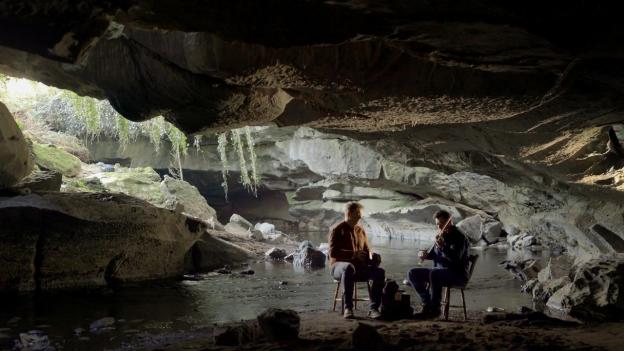
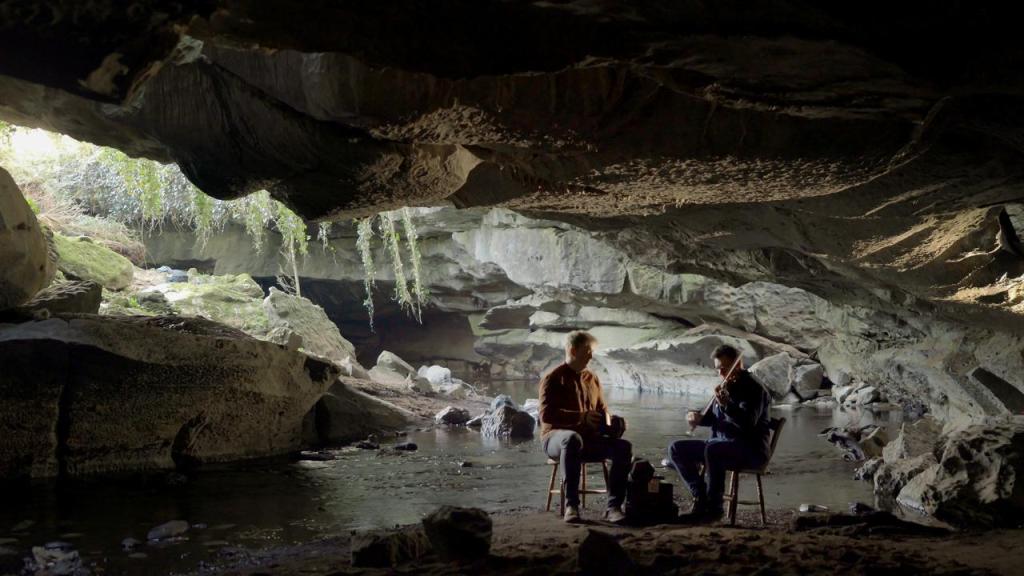
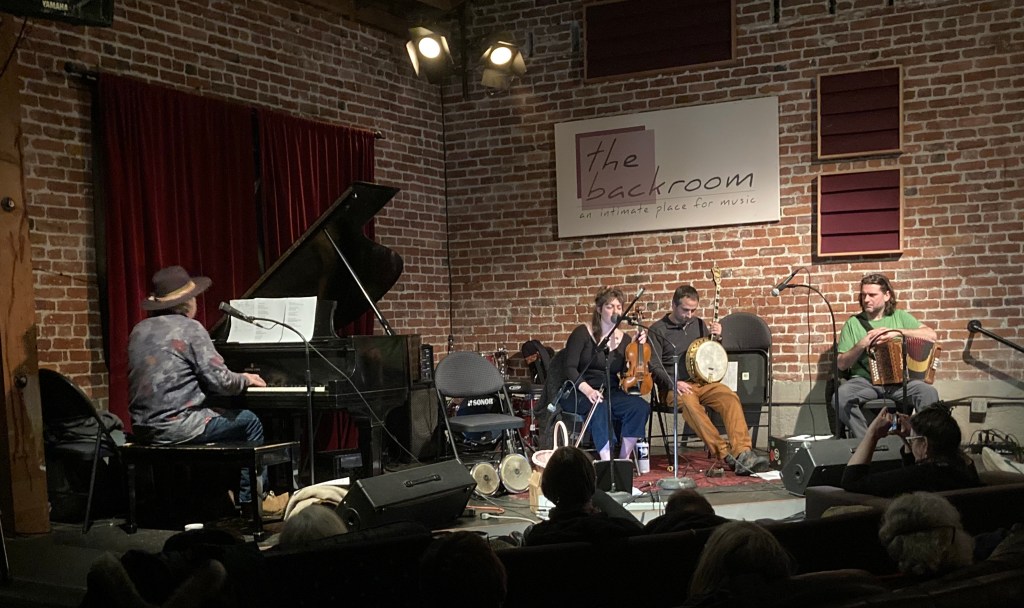
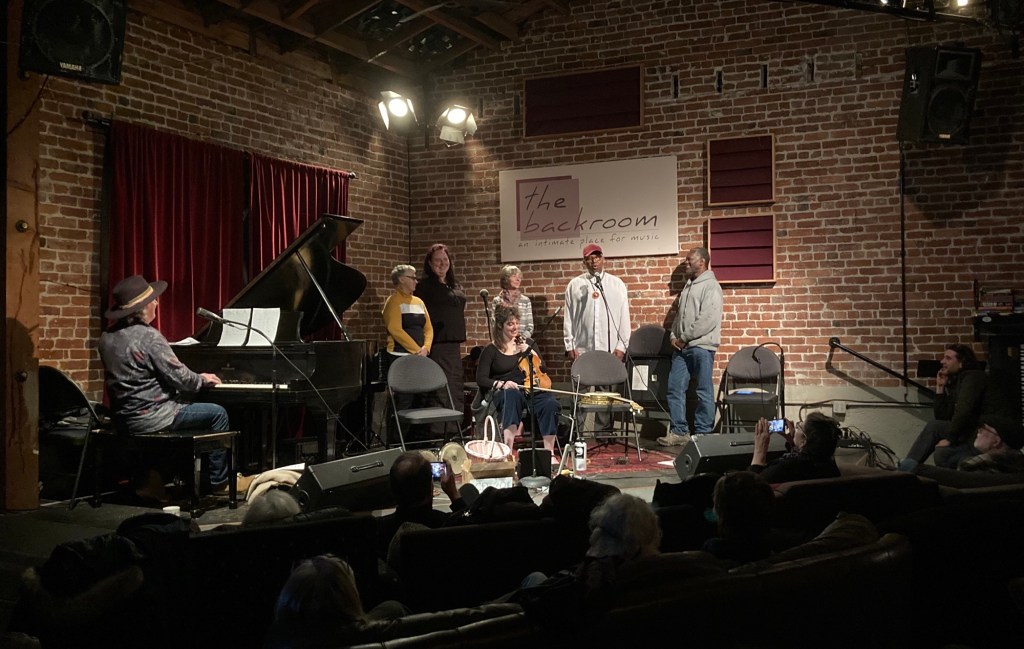
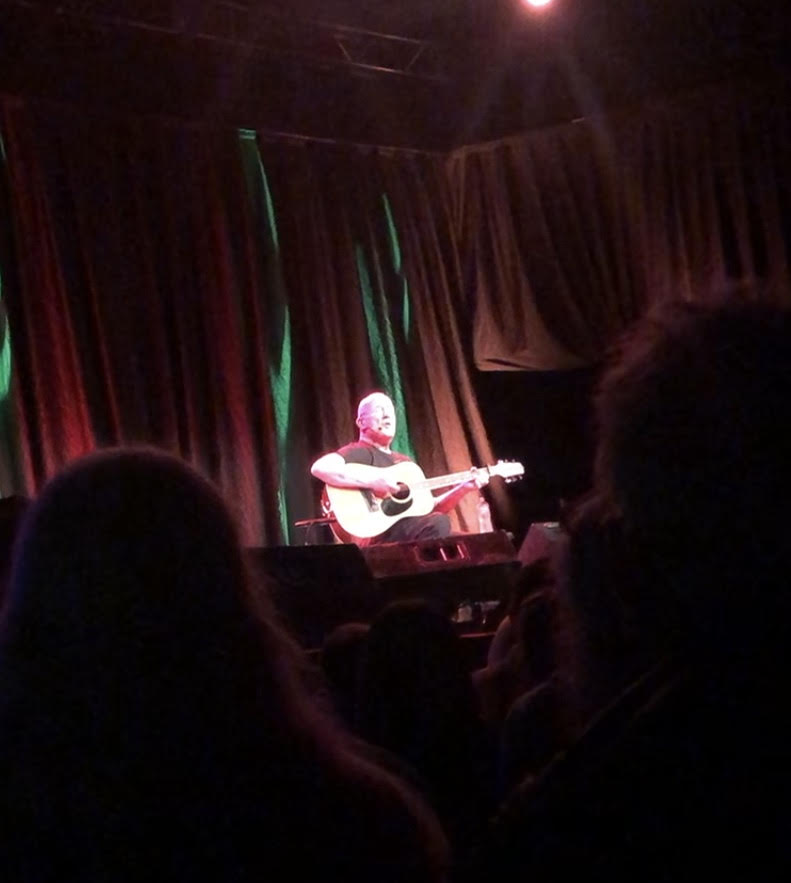
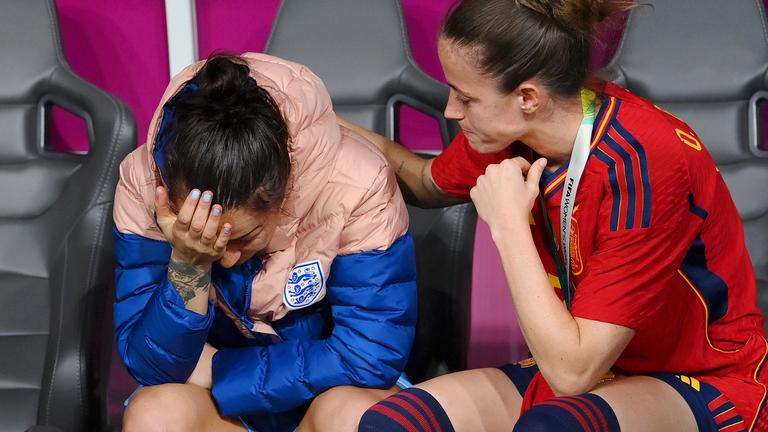
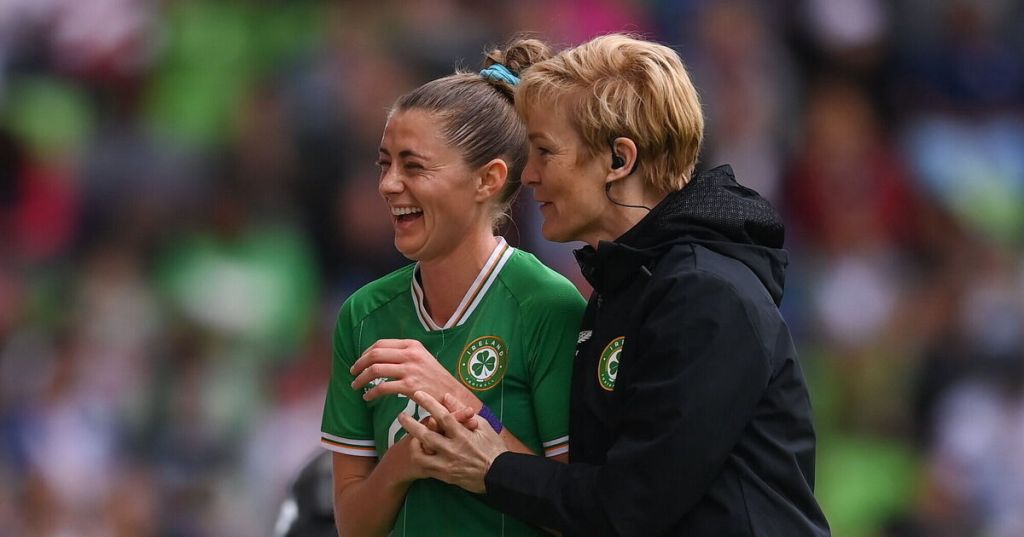

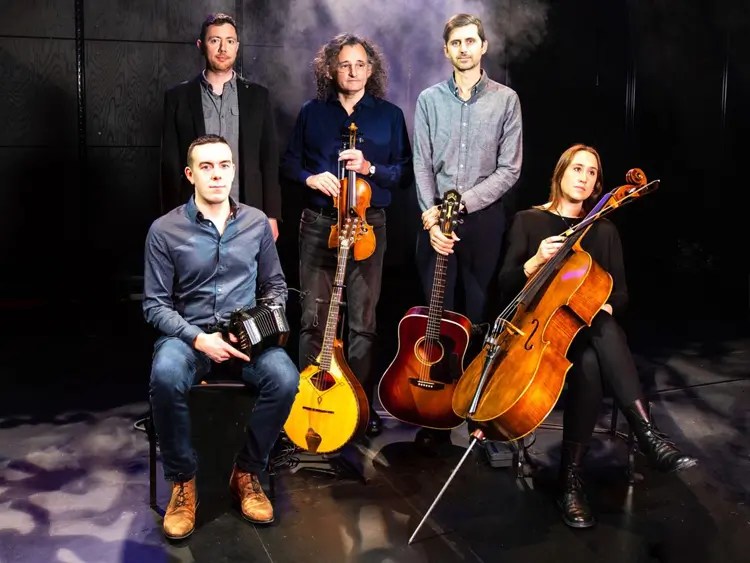
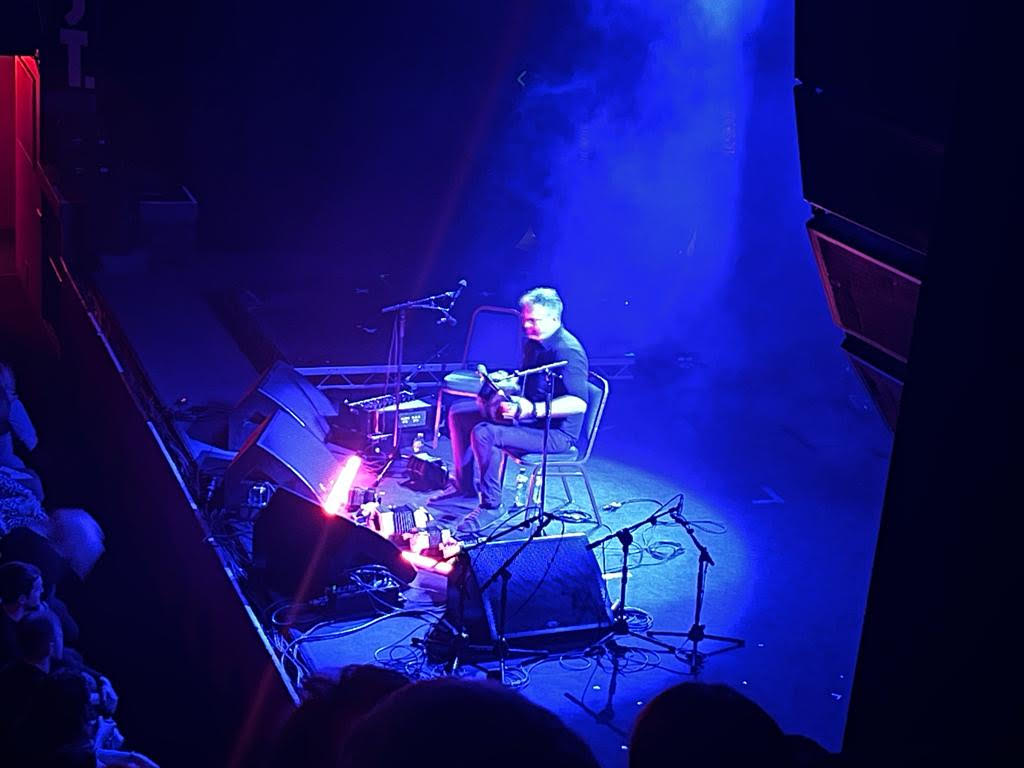

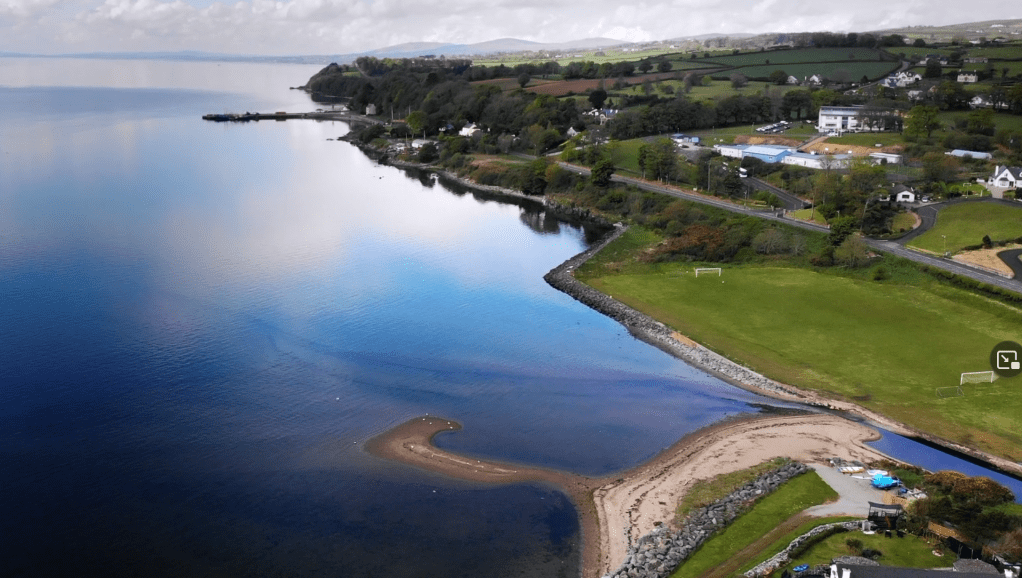
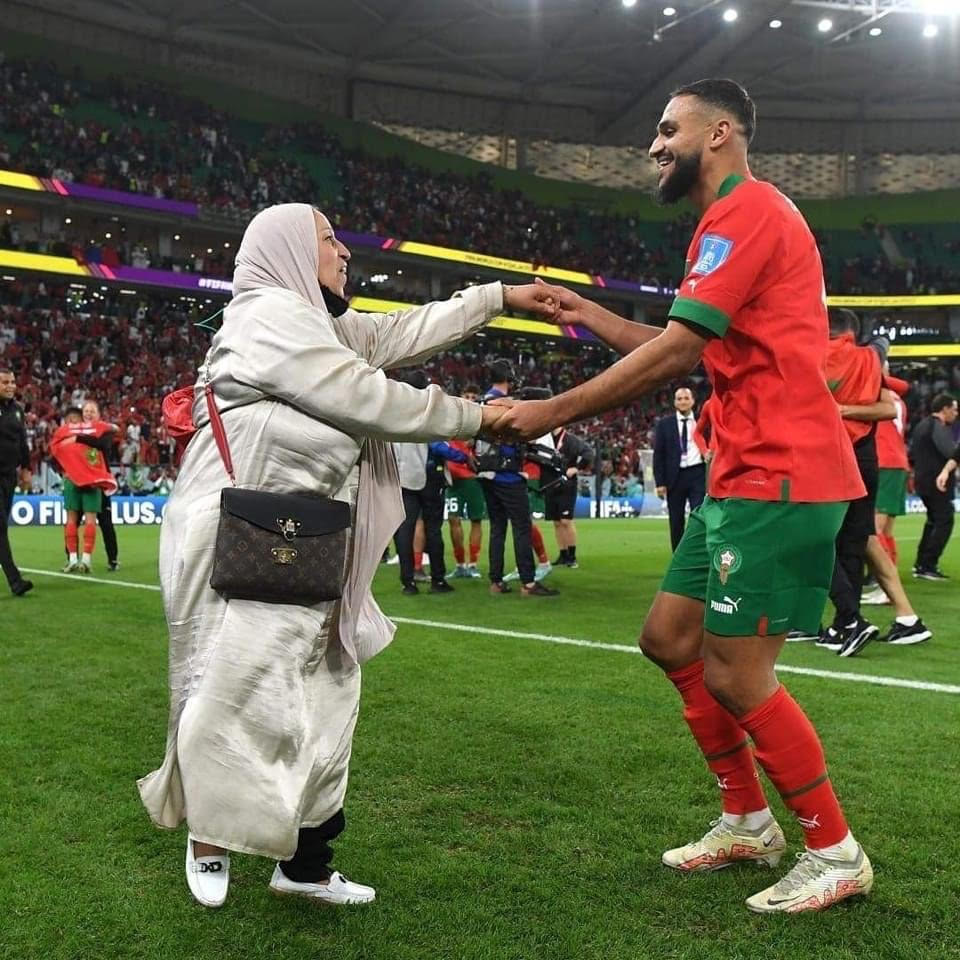
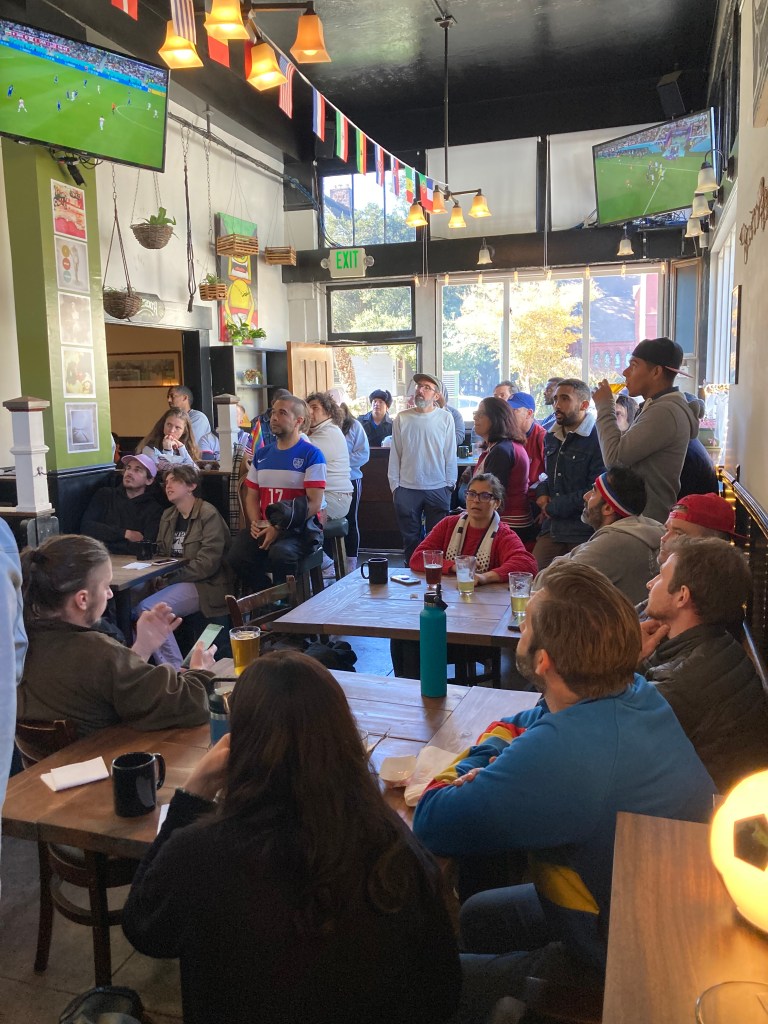

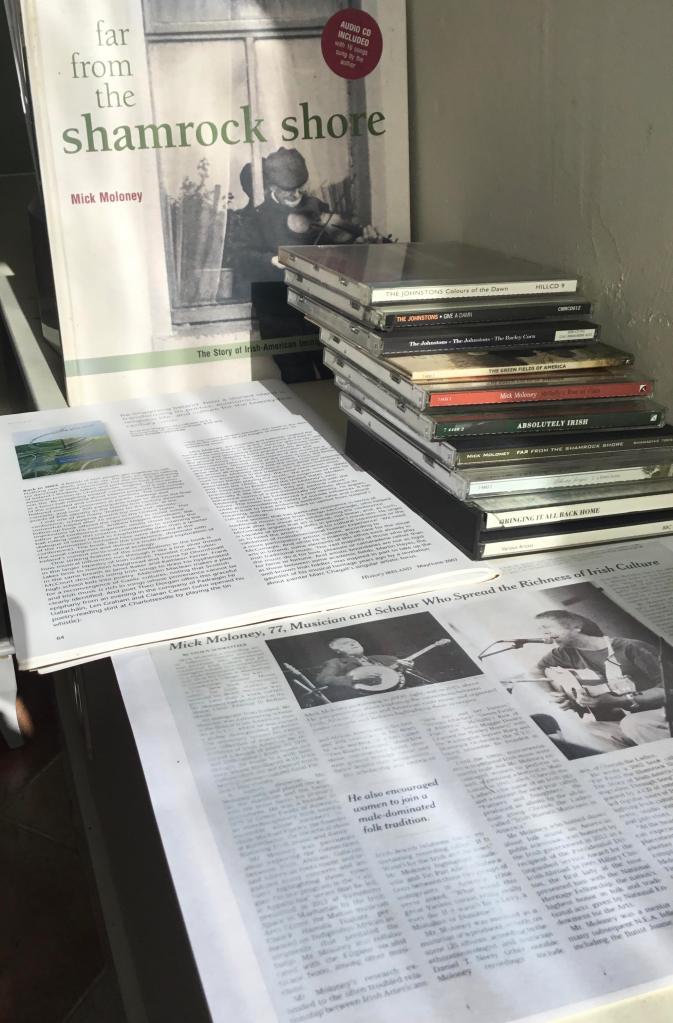
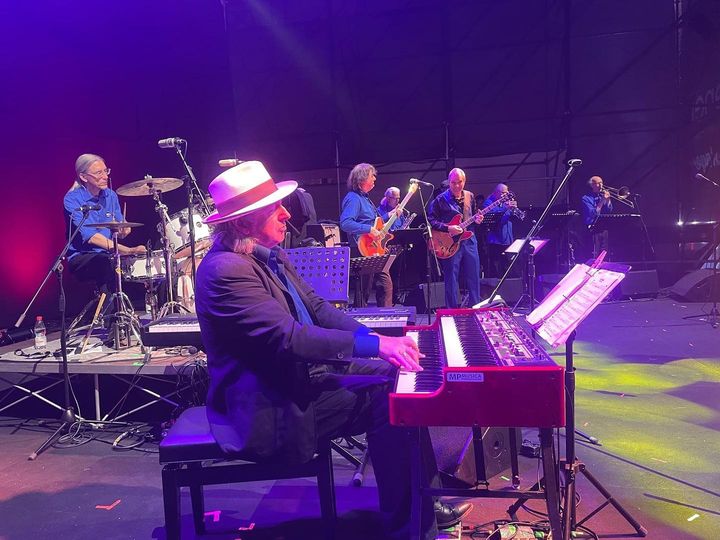
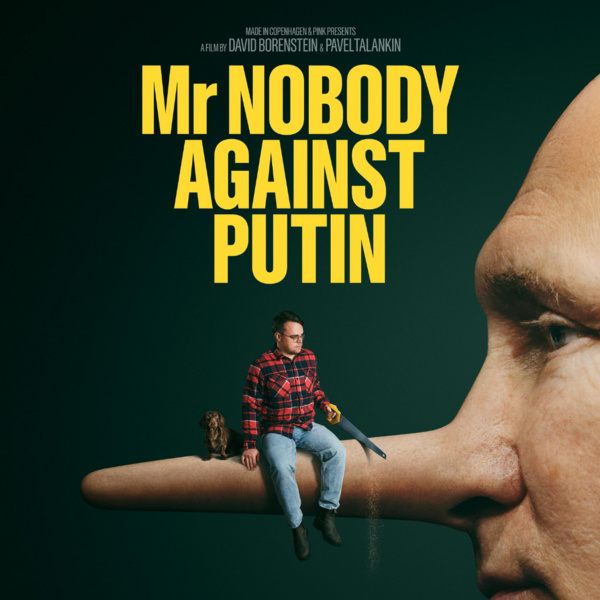
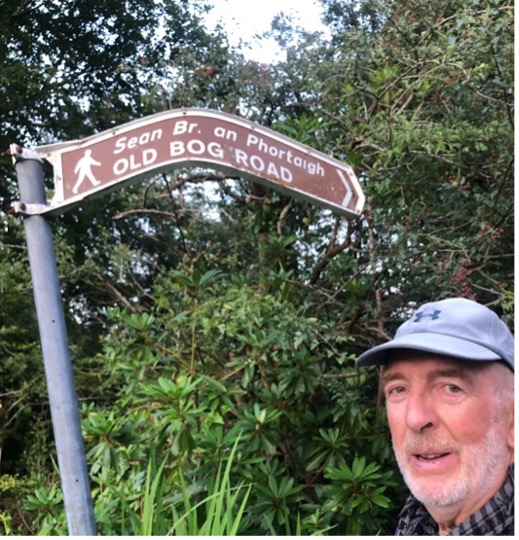
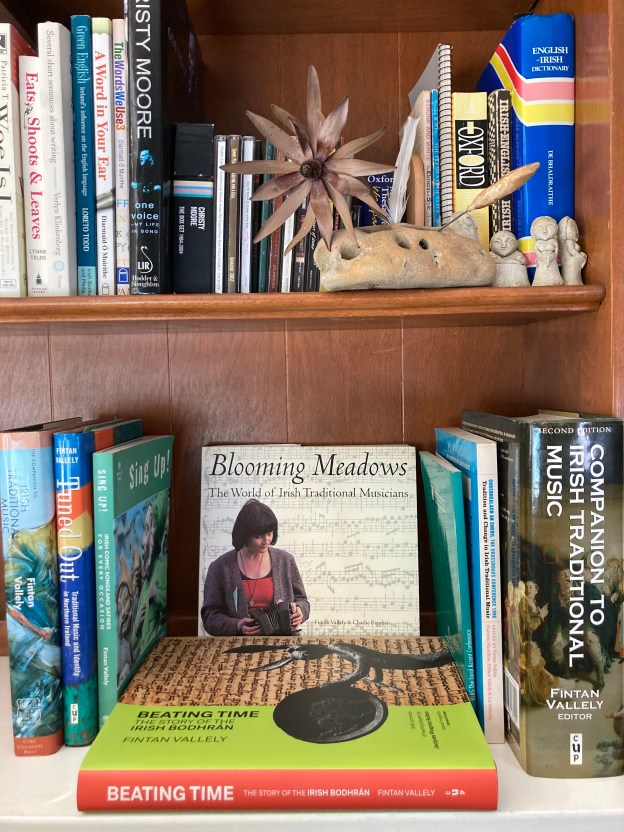
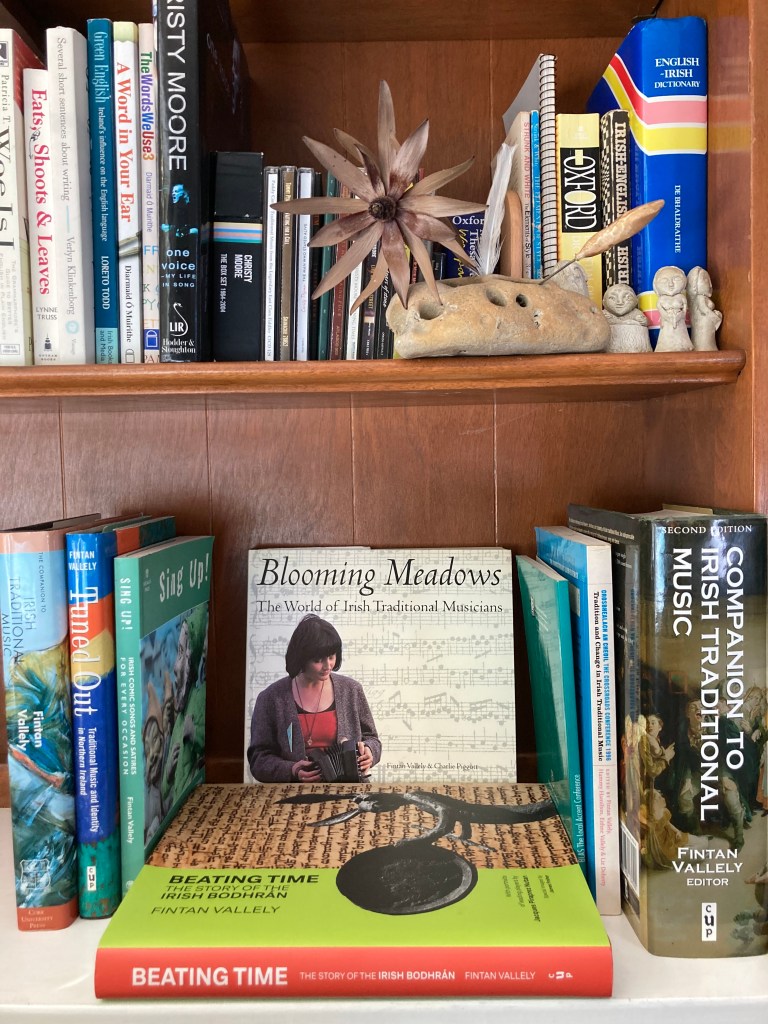
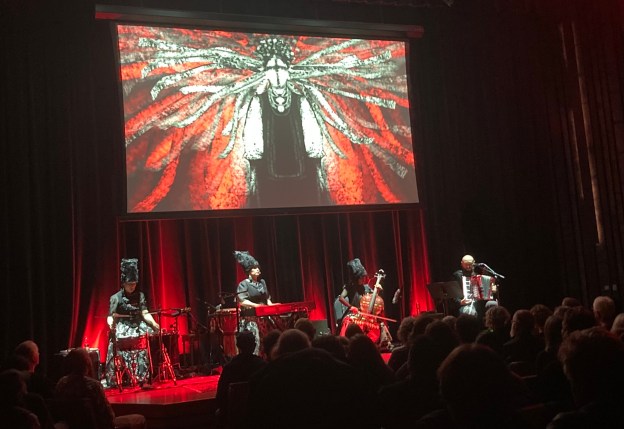
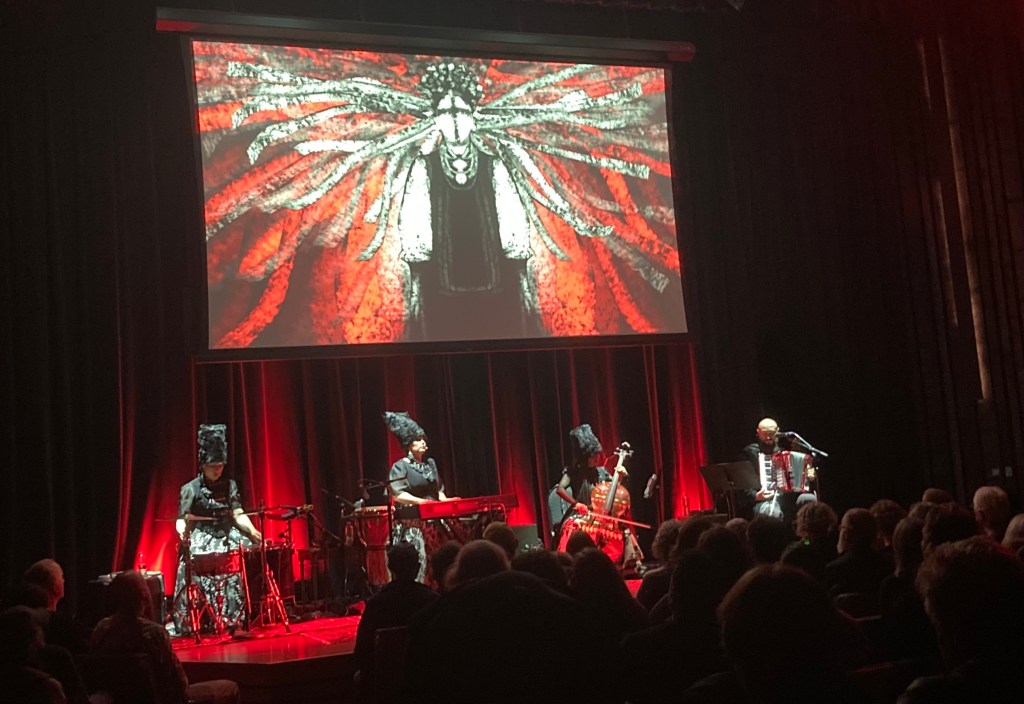
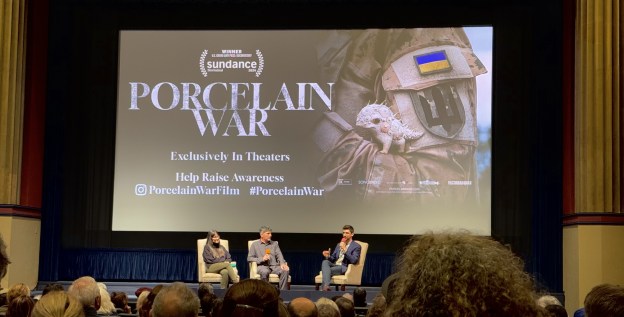
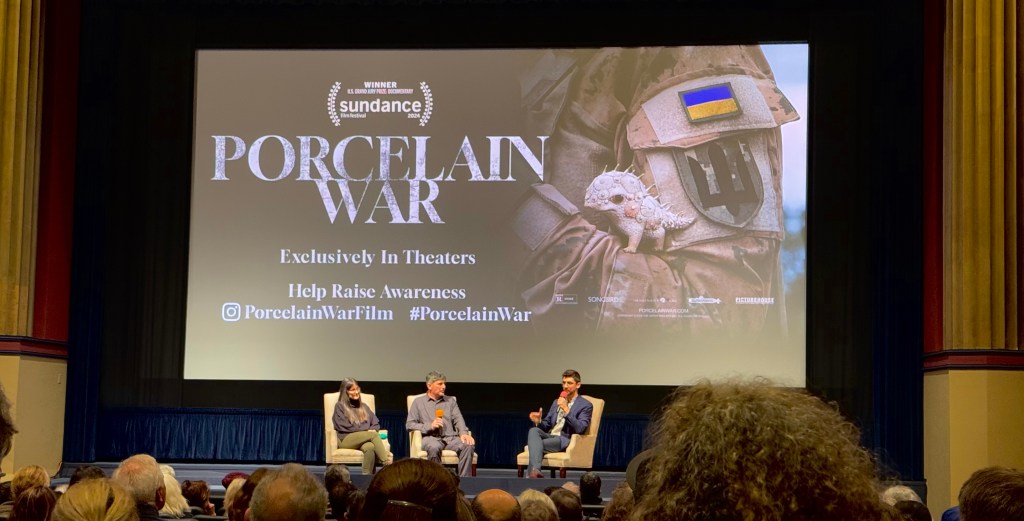
 The Old Blog Node